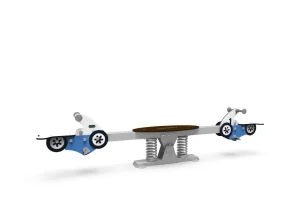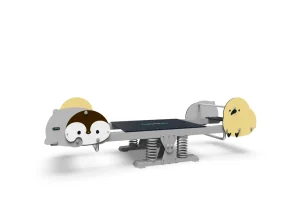
Choosing a playground equipment supplier for a school is not a simple procurement task. It’s a decision that will affect children’s safety, development, and daily enjoyment for years. Many schools begin by comparing catalog prices, but the real costs show up later — in equipment failures, missing certifications, or installation delays. I’ve spent over a decade in unpowered playground design and manufacturing. From that perspective, the right supplier offers more than equipment; they bring a complete chain of design, safety compliance, installation, and after-sales support. This article outlines the key factors to evaluate so you can avoid hidden pitfalls and make a confident, informed choice.
Defining Your School’s Playground Requirements
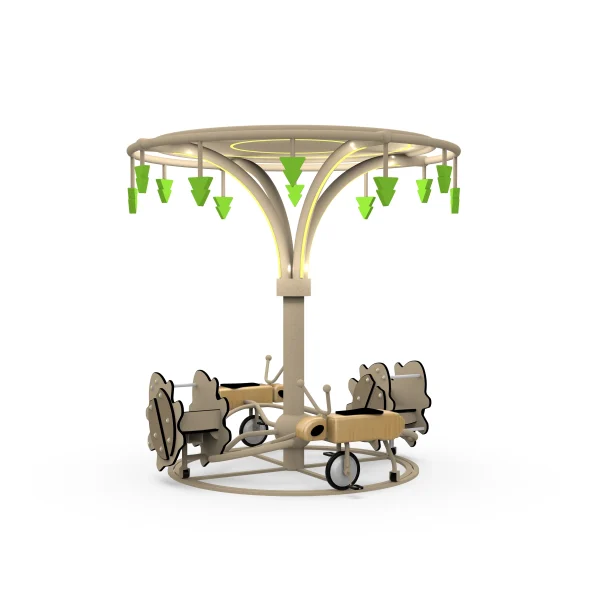
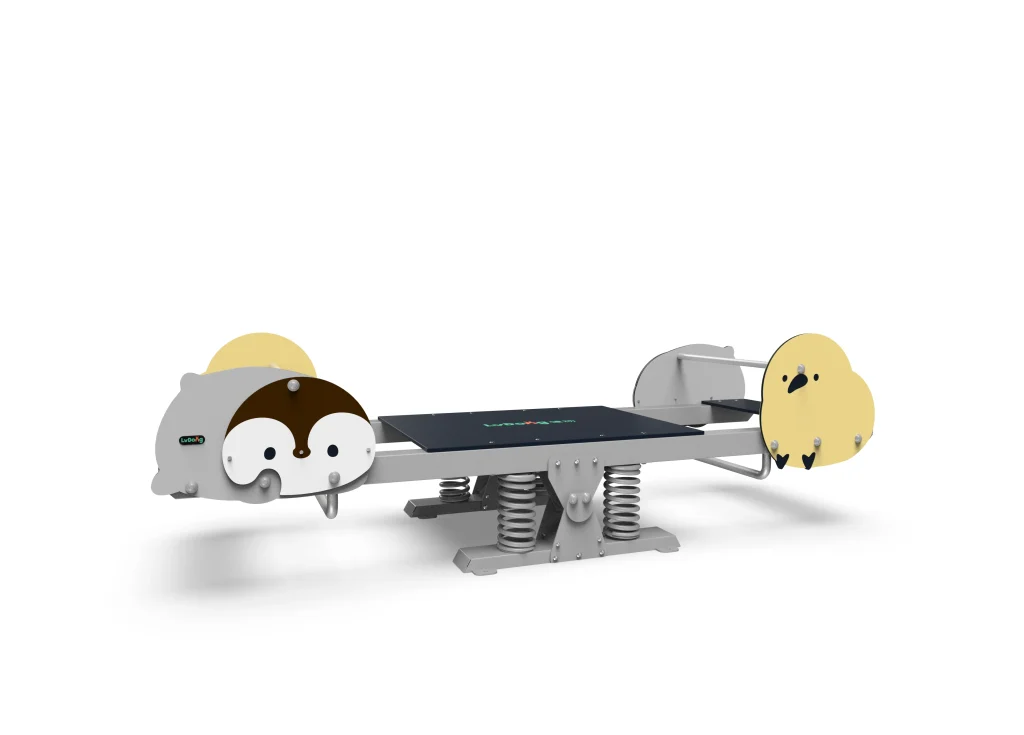
Before contacting suppliers, clarify your school’s specific needs. The age of the children, available outdoor space, and the types of play you want to encourage all shape the equipment selection. For kindergartens, single-user spring riders and low-height seesaws with a maximum fall height under 60 cm are practical choices. Primary schools benefit from multi-user spinning wheels and group seesaws that foster social interaction and physical coordination. Our design team at Suzhou LvDong often starts by mapping the site and reviewing age-group data before proposing any equipment list. By mapping the site and reviewing age-group data together, we make sure each play event matches the developmental stage of its intended users and fits the space constraints. A supplier that asks detailed questions about your school’s daily rhythm and outdoor supervision plan is already demonstrating the kind of thoroughness you want.
Evaluating a Playground Equipment Supplier’s Design and Engineering Capability
A supplier’s design capability determines how well the equipment will work in your actual space. Look for a supplier that can produce custom 3D renderings showing the layout with fall zones, access paths, and sightlines for supervisors. I have seen too many projects where generic catalog products were forced into irregularly shaped courtyards, creating unsafe crowding or unused corners. At LvDong, our in-house design team creates free 3D playground proposals that integrate multiple equipment types — spinners, spring riders, and seesaws — into a seamless play flow. Ask for examples of previous school projects similar to yours. If a supplier cannot explain how they would adapt a multi-player spinner to your site’s ground conditions or drainage, they lack the engineering depth needed for a long-term installation.
Verifying a School Playground Equipment Supplier’s Safety Certifications
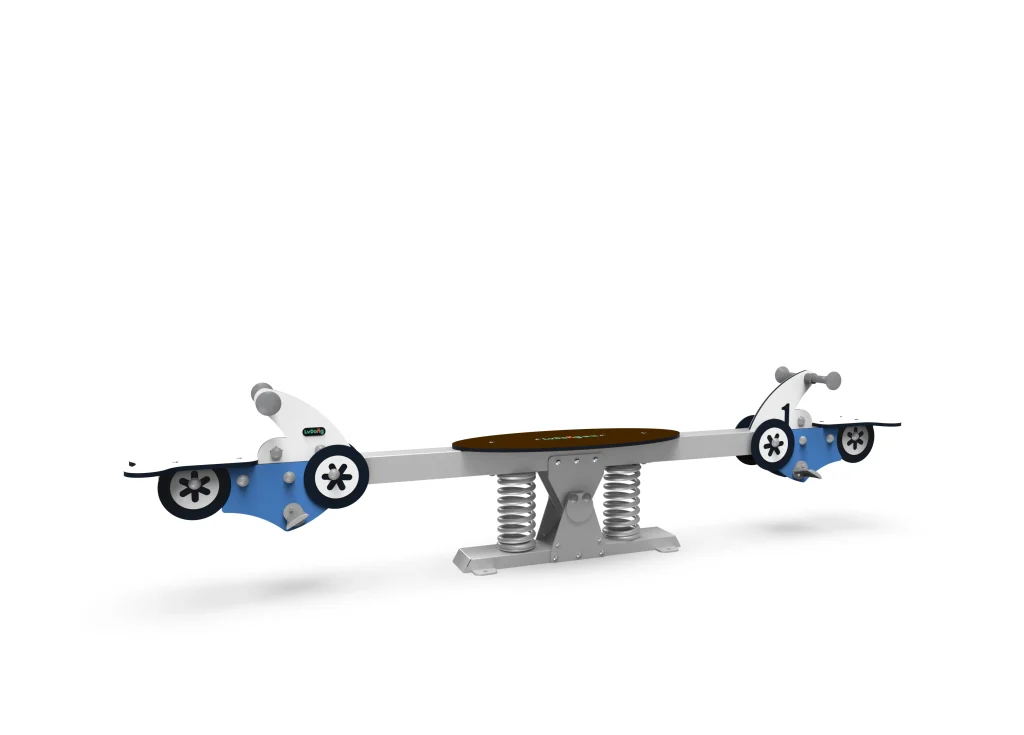
Safety certifications are non-negotiable. For schools, the relevant standards are EN 1176 for European markets and ASTM F1487 for North America. In China, GB/T 34272-2017 governs unpowered playground equipment. A reliable supplier should provide third-party test reports for every model, not just a general company certificate. When I review certification documents with school administrators, I focus on the maximum fall height, entrapment risk assessments, and structural integrity under extreme weather. You should do the same. Beyond certification, ask about the supplier’s internal quality management system. Our production base operates under standardized quality control that covers raw material traceability and in-process inspection for every seesaw, spring rider, and spinning unit. Request a sample report for the specific equipment you plan to order, not a similar product.
If your school has specific safety requirements — such as fall height limitations or the need for accessible equipment — discussing them with a supplier’s engineering team early can prevent costly redesigns. Share your safety specifications with us at [email protected] and we can walk you through compliance verification before you order.
Assessing Integrated Service: Production, Installation, and After-Sales
A supplier’s true value becomes clear after the purchase order is signed. Production capacity, installation expertise, and spare parts availability are what keep the playground safe and functional year after year. We operate a 10,000-square-meter factory in Suzhou, which means we control the entire manufacturing timeline from raw material sourcing to final assembly. That control translates into reliable lead times and consistent quality across large school orders. Installation is another key area. A supplier that sends its own trained crew, rather than a local subcontractor, can guarantee proper anchoring and alignment on your school’s specific terrain. Ask for a post-installation acceptance checklist, including surface impact testing and hardware torque verification. After installation, ongoing support matters. We maintain a stock of wear parts — bearings, spring bases, swing joints — so schools can replace them quickly and avoid long downtime.
Comparing Quotes and Negotiating Contracts
When you receive bids, look beyond the bottom line. A low quote may exclude design fees, shipping, installation, or the type of warranty coverage that actually protects your school. We often see offers that appear 20% cheaper but do not include safety surfacing or post-installation inspection. Use the table below to compare what a quality supplier includes versus a stripped-down bid.
| Cost Factor | Low-Bid Offer | Quality Supplier Offer |
|---|---|---|
| Design | Standard catalog layout | Custom 3D design with site analysis |
| Materials | Unspecified steel, no weatherproofing | Galvanized steel with UV-stabilized coatings |
| Safety Complements | Basic “meets standards” claim | Third-party test reports per model |
| Warranty | 1 year on structure | 3–5 years structure, 1 year on moving parts |
| Installation | Customer arranges locally | Supplier-trained installation crew |
| After-Sales | No spare parts inventory | Stocked spare parts with 7-day dispatch |
| Acceptance Testing | Visual check only | Documented impact and entrapment testing |
Before signing, confirm what happens if a piece of equipment fails after the warranty period. A supplier that offers a spare parts list and clear lead times is investing in your long-term satisfaction. Choosing a supplier purely on price can leave a school with unsafe equipment and no service support. The safest approach is to work with a supplier that offers fully integrated services from design through after-sales. Send your school’s playground requirements, age group, and approximate budget to [email protected] or contact us on WhatsApp at +8613915684545. We’ll prepare a custom proposal and arrange a sample evaluation.
Common Questions About Selecting a School Playground Supplier
What certifications should a school playground equipment supplier provide?
A supplier should offer model-specific third-party test reports for standards like EN 1176 or ASTM F1487, not just a general factory certification. Ask for the latest test document for the exact equipment model you are ordering. We provide these reports as part of our standard documentation package. If your school is in a region with local standards, confirm that the supplier’s products have been field-tested under those specific requirements. A supplier that hesitates to share these documents should raise concern.
How can we evaluate product quality without visiting the factory?
Request physical samples of key components — bearing housings, spring bases, or slide segment joints — for your own inspection. You can also ask for video walkthroughs of the production line and quality control checkpoints. I have guided school administrators through remote factory tours using live video, showing them our welding stations, coating processes, and test areas. Also ask for a reference list of recent school projects and contact information for those clients.
Is it better to choose a local or international supplier?
It depends on your project’s scale and support needs. An integrated international supplier with its own installation team and spare parts stock can sometimes match a local supplier’s responsiveness while offering more competitive pricing. The key is to verify a supplier’s after-sales capability, not just its location. For example, we have successfully delivered school projects across China with factory-trained installation crews and maintained designated spare parts inventory for each client.
How do we handle spare parts and maintenance after installation?
Make sure the supplier provides a complete spare parts list with item codes and lead times. We recommend schools keep a small stock of critical wear parts like bearings and spring bases. Our post-installation handover includes a maintenance calendar and self-inspection checklist. If a part fails, you can reference the part number and have it dispatched within days, reducing playground downtime.
What contract terms protect the school’s investment?
Key clauses include: detailed equipment list with model numbers, third-party test report delivery deadline, installation completion date with acceptance testing criteria, warranty period for structural and moving parts, and spare parts availability guarantee. We also include a post-installation training session for school staff covering daily visual checks and reporting procedures. Read every clause before signing, and ask the supplier to clarify any vague promise. Share your requirements and we’ll confirm compliance documentation availability.
If you’re interested, check out these related articles:
Why ISO Certification Elevates Commercial Playground Equipment Manufacturers
Annual Maintenance Calendar for Outdoor Play Equipment A Guide
Playground Play Panels Material Selection and Secure Installation