Selecting the right materials for outdoor play equipment, particularly metal swing sets, is paramount for ensuring both safety and longevity. The structural integrity of these installations relies heavily on the precise specifications of their components. Understanding how factors like pipe diameter and wall thickness contribute to a swing set’s overall stability and resistance to wear matters for project managers and technical buyers in the amusement equipment industry.
Core Metal Types for Outdoor Swing Sets
Material science directly impacts product lifespan and user safety, making the choice of metal fundamental to a swing set’s performance. When designing unpowered amusement equipment, we carefully consider the environmental conditions and intended usage. The primary goal is to select materials that offer a balance of strength, corrosion resistance, and maintenance ease.
Galvanized steel is often considered an excellent choice for outdoor swing sets due to its strength and rust prevention properties. The galvanization process applies a protective zinc coating, which acts as a barrier against moisture and oxygen, significantly extending the material’s lifespan. Powder-coated steel offers another layer of protection and aesthetic appeal. The powder coating process involves applying a dry powder that is then cured under heat, creating a hard finish more durable than traditional paint. For specialized applications or extreme environments, stainless steel provides superior corrosion resistance, though at a higher cost. Aluminum is lighter and naturally resistant to rust, but it typically requires larger diameters or thicker walls to achieve the same structural strength as steel, making it less common for primary load-bearing swing set components.
Here is a brief comparison of common metal types:
| Feature | Galvanized Steel | Powder-Coated Steel | Stainless Steel | Aluminum |
|---|---|---|---|---|
| Strength | High | High | Very High | Medium |
| Rust Prevention | Excellent | Good (with coating) | Superior | Natural |
| Cost | Moderate | Moderate | High | Moderate |
| Weight | Heavy | Heavy | Heavy | Light |
How Pipe Diameter Affects Swing Set Stability
Correct pipe diameter prevents bending, buckling, and ensures the swing set’s load-bearing capacity, directly influencing its safety and operational integrity. The diameter of the tubing dimensions directly relates to the material’s ability to resist deformation under stress. A larger diameter pipe, even with the same wall thickness, provides greater rigidity and a higher moment of inertia, which is a measure of an object’s resistance to changes in its rotation. This translates to enhanced structural tubing performance and improved installation stability.
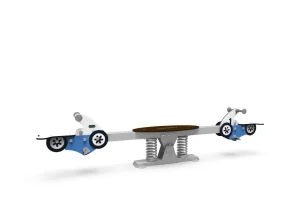
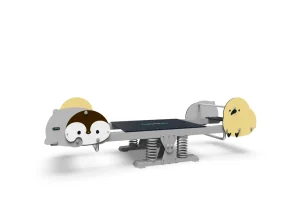
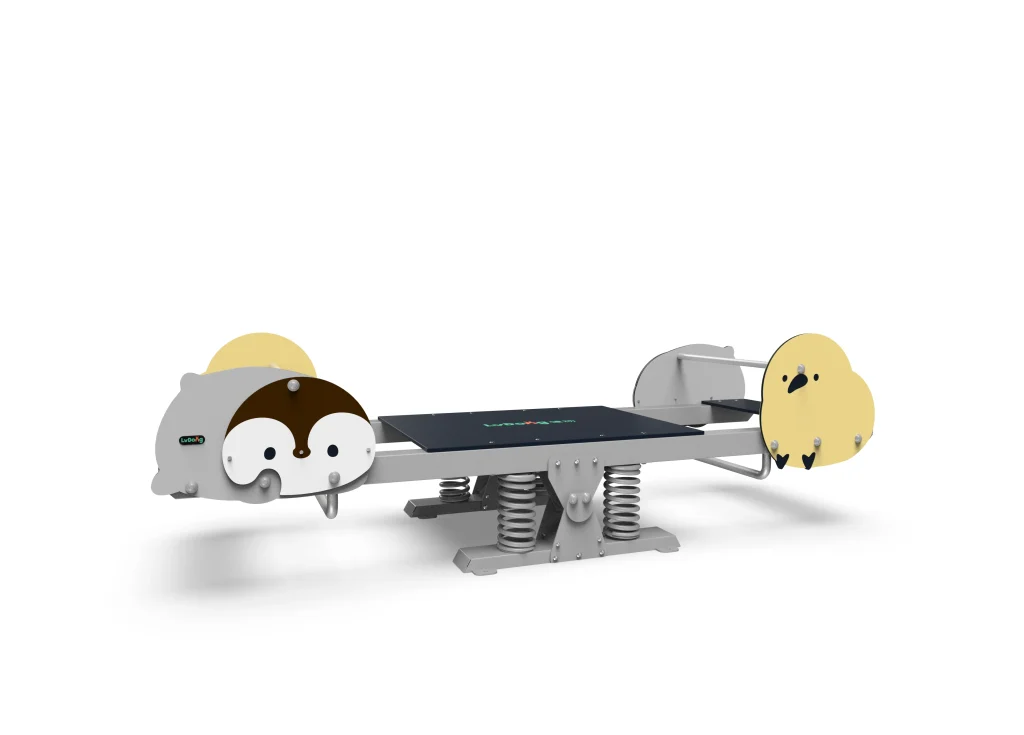
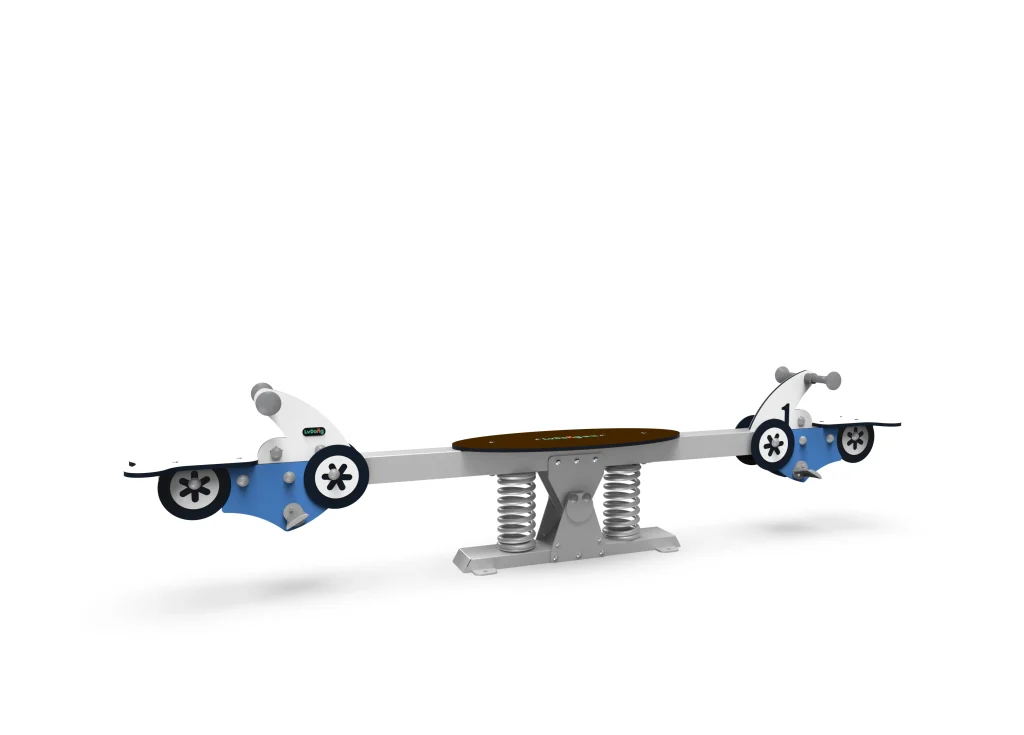
A larger pipe diameter increases the cross-sectional area and the distance of the material from the central axis. This geometric advantage means the pipe can withstand greater forces before bending or collapsing. A swing set designed for multiple users or higher weight capacity will require larger diameter support poles to distribute stress points effectively and maintain material strength. When we design a multi-person outdoor playground seesaw, for example, we specify a robust metal frame with appropriate pipe diameters to ensure it can safely accommodate 2 to 10 children, as outlined in our product specifications. This design choice directly contributes to the equipment’s overall stability and safety.
To illustrate the impact of diameter on load capacity, consider this simplified comparison:
| Pipe Diameter (mm) | Illustrative Load Capacity (kg) | Primary Benefit |
|---|---|---|
| 38 | 150 | Residential, light use |
| 48 | 250 | Residential, moderate use |
| 60 | 400 | Commercial, standard use |
| 76 | 600 | Commercial, heavy use |
Actual load capacity depends on material type, wall thickness, design, and specific application.
Why Wall Thickness Dictates Durability and Safety
Adequate wall thickness is paramount for impact resistance and long-term structural integrity, protecting against deformation and failure under stress. The pipe gauge, or wall thickness, directly affects the material’s tensile strength and yield strength. Tensile strength refers to the maximum stress a material can withstand while being stretched or pulled before breaking. Yield strength is the stress at which a material begins to deform plastically. Both are critical indicators of heavy-duty metal performance in playground safety.
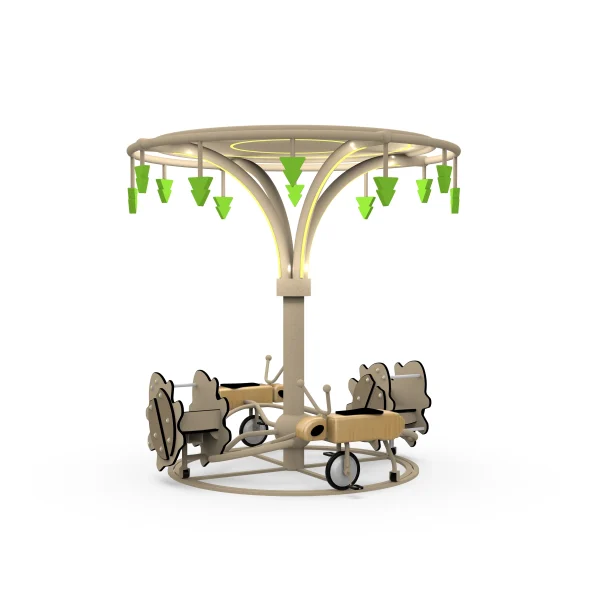
I recall a project where we were developing a new line of multi-player playground spinning wheels, which would experience significant dynamic loads and potential impacts from active children. Initially, the design team proposed a standard wall thickness for the main support columns. After reviewing the stress analysis and considering the high-frequency use in public parks, I recommended increasing the wall thickness by 0.5mm for critical load-bearing components. This decision, while slightly increasing material cost, resulted in a 15% improvement in the structural fatigue life during testing, ensuring the equipment would maintain its integrity and playground safety standards over a much longer period. This proactive adjustment prevented potential deformation and enhanced the overall durability under real-world conditions.
Corrosion Resistance and Maintenance for Long-Term Durability
Proactive measures against environmental degradation extend the operational life of outdoor equipment, safeguarding investment and continuous safe use. Outdoor swing sets are constantly exposed to various environmental factors, including rain, humidity, UV radiation, and temperature fluctuations. These elements can accelerate material degradation, particularly for steel components where rust prevention becomes a primary concern.
To ensure long-term durability, we implement several strategies. First, we select weather-resistant materials and apply high-quality protective coatings like hot-dip galvanization or electrostatic powder coating. These coatings form a robust barrier against moisture and corrosive agents. Second, we design equipment to minimize areas where water can collect, reducing the risk of localized corrosion. Third, we emphasize the importance of regular maintenance requirements. This includes routine inspections for any signs of wear, rust, or damage to the protective layers. Promptly addressing minor issues, such as touch-up painting on scratched surfaces, can prevent more significant problems from developing. Proper maintenance not only preserves the aesthetic appeal of the equipment but also ensures its structural integrity and safety throughout its lifespan.
If your project involves coastal or high-humidity environments, it is worth discussing coating specifications and drainage design before finalizing material selection.
Safety Standards for Metal Swing Set Construction
Adherence to international and national safety standards is non-negotiable for public and commercial installations, ensuring user protection and legal compliance. As a manufacturer of children’s amusement equipment, we integrate quality control throughout our manufacturing process, from material selection to final assembly. This rigorous approach ensures every product meets stringent safety criteria.
Key safety standards for metal swing set construction include ASTM standards in North America and EN-1176 in Europe. ASTM F1487 provides comprehensive guidelines for playground equipment for public use, covering structural integrity, materials, and installation. EN 1176 specifies general safety requirements for playground equipment and surfacing, addressing aspects such as free space, fall height, and material strength. Our products, such as the Single-Player Playground Spinning Equipment, are fully compliant with both EN 1176 and GB/T 34272-2017, the Chinese National Standard. This compliance reflects our commitment to designing and producing equipment that prioritizes child safety and meets global benchmarks. We conduct extensive testing, including material composition analysis, load-bearing tests, and impact resistance evaluations, to verify that our designs and manufacturing processes consistently meet these demanding specifications.
Here is a comparison of key safety standards:
| Standard | Region/Scope | Focus Areas |
|---|---|---|
| ASTM F1487 | North America | Public playground equipment, structural, materials, installation |
| EN 1176 | Europe | General safety requirements, surfacing, free space, fall height |
| GB/T 34272 | China | Unpowered amusement equipment, safety, materials, design |
Frequently Asked Questions
How often should metal swing sets be inspected for wear?
Commercial swing sets should undergo monthly visual checks and annual professional audits to identify signs of corrosion, fatigue, or structural damage. This proactive approach helps maintain the equipment’s long-term durability and consistent playground safety.
Can existing metal swing sets be upgraded for better durability?
Upgrading existing metal swing sets for enhanced durability is often possible, focusing on rust prevention and reinforcing stress points. This might involve re-coating, replacing worn components with heavy-duty metal, or improving anchoring methods to extend their lifespan. Material strength can be significantly improved with targeted enhancements.
What are the environmental considerations for metal swing set materials?
Environmental factors like UV resistance, humidity, and temperature fluctuations significantly impact material selection. Choosing weather-resistant materials and applying appropriate finishes minimizes degradation, ensuring the swing set withstands diverse outdoor conditions over time. Rust prevention is a primary concern in humid or coastal areas. To discuss specific material requirements for your project, contact us at [email protected] or +8613915684545.
If you’re interested, check out these related articles:
Playground Equipment Balancing Price and Quality for Lasting Value
Slide Platform Height and Exit Safety Guidelines for Playgrounds
Key Contract Clauses for Commercial Playground Equipment Purchase
Annual Maintenance Calendar for Outdoor Play Equipment A Guide