Volunteer-friendly playground installation works best when the equipment itself removes the usual build-day friction: complex anchoring, heavy subassemblies, and unclear surfacing transitions. I have reviewed too many church and community center projects where the chosen play structure looked affordable in the quote but turned a scheduled two-day volunteer event into four days of grouting, leveling, and calling for extra hands. The fix is not a bigger crew. It is selecting unpowered equipment with low fall heights, simple base plates, and documented installation sequences, then assigning volunteers to clear roles they can finish without guessing.
Why Does Volunteer-Friendly Playground Installation Matter for Churches?
Most church committees compare equipment by price per unit and number of play events. Installability gets treated as a shipping and setup issue, but from a manufacturer perspective it decides whether the project stays within volunteer hours. A spring rider may take one installer roughly 30 minutes from pallet to finished anchor under normal conditions, while a multi-player spinner with a large circular base can take two installers about two hours because the round platform must be leveled in more than one plane. The distinction is not quality; it is site tolerance.
For churches with rotating volunteer teams, lower fall height also reduces the surfacing scope. Equipment with a maximum fall height of 50 cm, such as our spring riders, can often sit on a thinner engineered surface than a taller spinner reaching 77 cm. That does not mean the taller unit is unsafe; it means the committee must commit to a deeper safety surface and a larger use zone before the build day. Volunteer crews can manage both, but the surfacing work is where schedules slip.
I have walked through church play areas where the committee had no trouble assembling the frame but spent the final hours repairing the surfacing border and re-setting one anchor because the fall zone was not marked before the concrete cured. The most installable playground is the one where every anchor point has a predetermined location and the site plan shows the finished surface depth before the first box is opened.
Which Equipment Choices Make Volunteer-Friendly Playground Installation Manageable?
Churches and community centers usually need equipment that offers high play value without multiple anchor points and complex alignment. Spring riders, single-player spinners, multi-player spinners, and multi-person seesaws each have different volunteer demands. The table below compares typical install notes from our current product range:
| Equipment type | Volunteer install note | Maximum fall height | Anchor setup |
|---|---|---|---|
| Spring rider | About 0.5 person-hour, one installer | 50 cm | Single base plate, fixed or concrete anchor |
| Single-player spinner | About2 person-hours, one installer | 34 cm | Compact base, level pad |
| Multi-player spinner | About2 person-hours, 1-2 installers | 55-77 cm by model | Circular base, level in multiple planes |
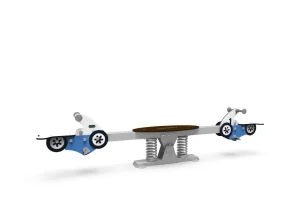
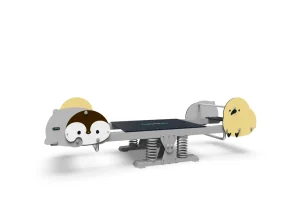
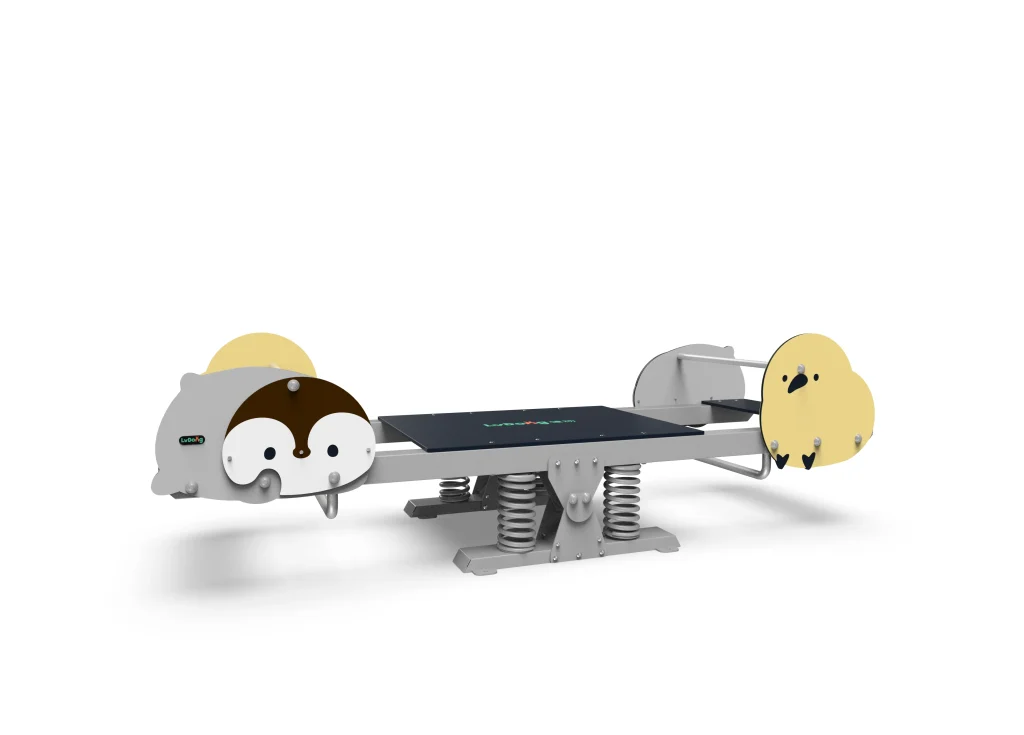
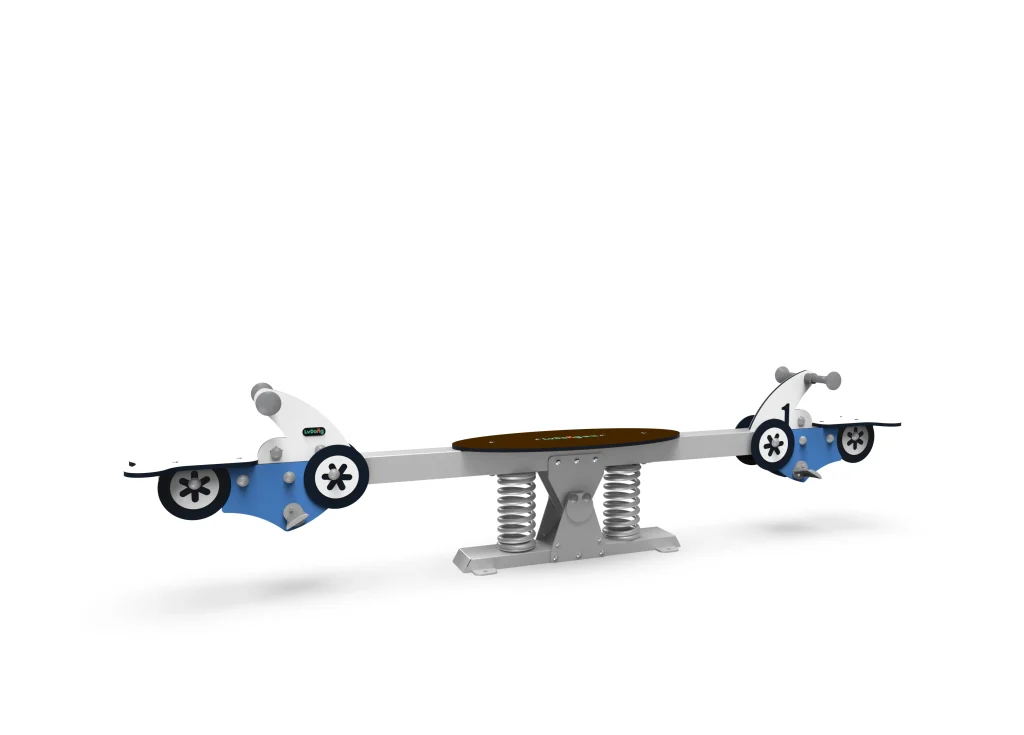
| Multi-person seesaw | About2 person-hours, 1-2 installers | 60 cm | Multiple anchor points aligned with pivot frame |
All units in the table are designed against EN 1176 and GB/T 34272-2017 safety standards, so the volunteer crew’s job is installation accuracy rather than design verification.
For churches with limited side yards, spring riders are usually the easiest place to start because a single unit needs one anchor set and about30 minutes of setup, and <Playground Pony Spring Rider Dimensions for Ages 2-5> covers the compact size ranges and age limits a volunteer crew can use to plan both installation and play value without overbuying equipment.
What Site Preparation and Safety Checks Should Volunteers Complete First?
Before the first volunteer arrives, the site should be marked for utility clearance and fall zones. I have learned to treat this step as the project’s actual start, not a formality. On one community center site, a planned spring rider row shifted nearly two meters after the maintenance team flagged an irrigation line that was not on the original landscape drawing. The equipment did not change; the anchor positions moved, and the project still opened on schedule. If the crew had waited until build day, the volunteers would have been standing idle.
Pre-drilled anchor templates remove much of the guesswork. The volunteer crew should arrive with a clear list of anchor points, torque checks, and finished surface depths. It is better to have one person assigned to drawings and another to hardware than to let every volunteer read from the same set of instructions at once.
Site layout decisions affect volunteer effort more than most buyers expect, especially when pathways and play zones are not confirmed before the equipment arrives, and <Outdoor Playground Set Layout Strategic Design for Optimal Play> covers how activity spacing, sight lines, and fall zones work together so the build day does not expose design errors that should have been caught on paper.
If your site has a slope greater than2%, a high water table, or a mixed surfacing plan, it is worth confirming anchor depths and border details before finalizing the volunteer schedule. Send the site plan and proposed equipment list to [email protected] or WhatsApp +8613915684545, and we can check which units need deeper footings or a different base detail.
What Does a Volunteer-Friendly Playground Installation Sequence Look Like?
A clear sequence keeps the crew moving and prevents the common pattern of several people working on one anchor while other equipment sits untouched. We order the work as follows:
- Stage the equipment by anchor point, not by package size.
- Set the largest or highest unit first, then level smaller units to that finished plane.
- Fasten anchors, check torque, and install loose parts such as seats and grips.
- Place surfacing only after the structural frame passes a visual check.
- Run a child-height inspection for gaps, pinch points, and protruding fasteners before opening.
I have watched volunteer crews succeed without prior playground experience when each station had one printed drawing and one person assigned to a specific step. The problems happen when roles blur. Clear roles beat extra hands.
How Can a Church or Community Center Plan the Build?
Volunteer build days fail less often because of effort and more often because the equipment was not matched to the crew’s actual skill level. A church or community center needs a clear list of anchor points, finished surface depths, and part counts before the first truck arrives. We can prepare that list from your site dimensions and preferred equipment. Send your proposed layout, volunteer headcount, and target build date to [email protected] or WhatsApp +8613915684545, and we will return anchor and surfacing notes before you commit to a volunteer schedule.
What Should Churches Ask Before Volunteer-Led Playground Builds?
Can a church or community center legally install commercial playground equipment with volunteers?
Yes, in most locations, as long as the installation follows the manufacturer’s supplied layout, anchor specifications, and any local permit requirements tied to the site. The equipment itself is not the problem; unverified site conditions are. A volunteer crew can handle the physical assembly when the manufacturer supplies a clear anchor plan and a pre-installation checklist. We advise churches to keep the volunteer day separate from the official inspection day so missing surfacing or torque checks can be corrected without pressure.
Will volunteer installation void the equipment warranty?
Many committees assume any work done outside a professional crew automatically voids coverage. That is usually not accurate. What voids coverage is installation that ignores the specified anchor type, fall surface depth, or spacing limits. If a volunteer crew follows the manufacturer’s installation drawings and records the anchor positions and torque checks with photos, the warranty review can proceed normally. We ask buyers to keep a short day-of log for each anchor point; it becomes useful if settlement or hardware issues appear months later.
How much time should a church reserve for a volunteer playground build with four or five equipment pieces?
It depends on how many anchor points the equipment requires and whether surfacing is included. A spring rider may take about30 minutes per unit once the concrete pad is ready, while a multi-player spinner with a large circular base can take two people around two hours. A mixed set of four to five pieces, without surfacing labor, usually fits within one full volunteer day if the site is already level and the equipment is staged by anchor location. If the build includes rubber tiles or poured surfacing, schedule a second day or assign a separate crew.
What is the most common installation mistake churches and community centers make with volunteer crews?
In our factory reviews and project debriefs, the most frequent mistake is anchoring the equipment before checking underground utilities and the final fall-zone layout. The equipment can be perfectly assembled in the wrong position, and then the crew must unbolt and move it or accept poor sight lines and cramped access. Which option the committee chooses has real cost and safety implications. If your site has irrigation lines, shallow utilities, or irregular boundaries, send the survey before build day. Share the site plan with [email protected] and we can confirm which anchor details should be adjusted before the volunteers arrive.
If you’re interested, check out these related articles:
Playground Turntable Safety EN1176 vs ASTM Standards Unpacked
Playground Play Panels Material Selection and Secure Installation
Space Saving Cantilever Swing Set Design for Urban Play Environments
Negotiating Bulk Playground Equipment Orders Expert Strategies