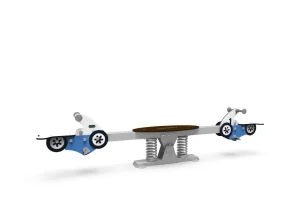
Adding lights and sound to a playground spinner or activity panel pulls children in. The instant a button press triggers a melody or a ground-level pad lights up underfoot, you can see the crowd shift toward that piece of equipment. The trade-off that rarely shows up in a brochure is what that engagement costs in electricity, battery replacements, and maintenance hours over the same five-year cycle you budget for.
In projects we have delivered across municipal parks and hotel kids’ clubs, the interactive elements that held up best were not necessarily the flashiest. They were the ones whose power consumption matched the site’s infrastructure reality. A solar-powered interactive floor panel that works reliably in a Mediterranean courtyard may fail in a northern European winter if the panel was never rated for extended overcast days. Choosing the right balance between energy draw and visitor pull starts with understanding how much power each feature actually needs.
How Much Energy Sound and Light Play Features Actually Draw
The energy consumption of an interactive playground feature depends on three things: the type of output (LED lighting, audio speaker, haptic vibration, or a small motor), the duty cycle, and the power source. In our experience, most procurement teams overestimate the lighting load and underestimate the audio load.
A low-profile LED play panel with touch-sensitive zones typically draws 8–15 watts during active play, then drops to a standby current under 1 watt. Over a 12-hour operating day with an average 30% duty cycle, the daily consumption stays below 60 watt-hours. That is trivial next to the floodlights that already illuminate the rest of the playground.
The surprise is usually the sound module. A weatherproof outdoor speaker amplifier, even a modest 10-watt unit, can pull 25–40 watts during playback. When the play pattern involves frequent triggering—every 15 seconds on a busy spinner—the module stays in its high-current state far longer than its datasheet suggests. We have measured installations where the audio subsystem consumed four times the energy of the LEDs on the same panel, simply because the duty cycle was misjudged.
Why Interactive Features Keep Families Coming Back
Visitor retention is not a marketing abstraction when you operate a playground that shares space with a café, a hotel, or a ticketed attraction. A playground that children ask to visit again directly adds to secondary spending. Our clients who run resort playgrounds consistently report that the play zones with at least two interactive elements—for example, a spinner with LED bands plus a musical play panel—generate measurably longer stays than conventional equipment-only areas.
The retention mechanism is not only novelty. Interactive features introduce a cause-and-effect loop that passive climbing or swinging does not. A child pressing a button and hearing a chime will repeat the action far more times than an adult expects. This repeat engagement keeps the same family on site for 15–20 extra minutes. Over a season, that translates into an additional drink purchase or an ice cream sold at the adjacent kiosk—small per visit, but significant when daily footfall reaches several hundred.
Not every site benefits equally. A community park where the audience arrives on foot and leaves when the parent decides to go home does not monetize dwell time the way a water park dry zone does. The decision to invest in energy-consuming interactive features should be tied to the venue’s revenue model, not to a belief that all children like buttons. They do, but the economic case closes where the extra stay translates into revenue.
What the 5-Year Cost and Retention Balance Looks Like
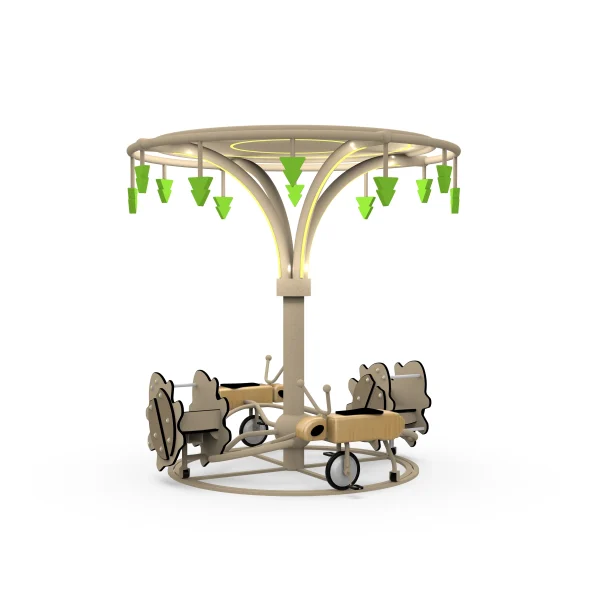
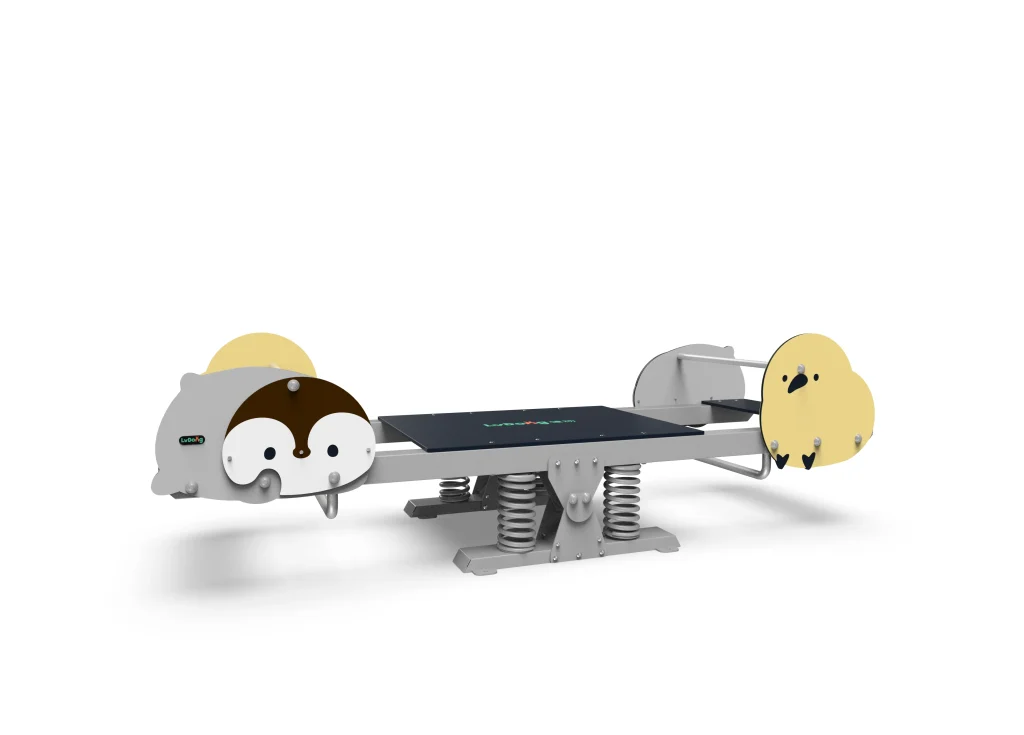
Comparing the total cost of ownership of an interactive playground installation against a purely mechanical alternative requires a longer horizon than the first year’s electricity bill. We advise operators to model three cost layers: energy cost, component replacement, and the opportunity cost of downtime when a feature stops working.
For a medium-sized playground with one interactive spinner, two LED play panels, and one musical activity board, the combined daily energy consumption typically falls between 400 and 700 watt-hours, assuming a six-hour high-usage window. At a commercial electricity rate of $0.12 per kWh, that is $0.05–$0.09 per operating day—under $35 per year. Even factoring in a 50% margin for battery cycling losses when using off-grid solar with storage, the annual energy cost rarely exceeds $60.
The real cost driver is component reliability. Sound modules exposed to direct sun and humidity can fail within 18 months if not properly sealed. Our service records show that a failed interactive feature does not simply stop consuming power. It also stops generating engagement, and the adjacent equipment often sees a drop in usage as well. A silent spinner with dead lights loses its crowd-pulling advantage. Budgeting for a speaker module replacement at year two or three brings the five-year total maintenance cost closer to $900–$1,200 for a moderately used installation. That cost must be weighed against the extra revenue or community goodwill the retained visitors generate.
For sites where equipment downtime directly impacts guest satisfaction scores, a proactive spare parts strategy becomes critical. <Optimizing Playground Equipment Spare Parts Lead Time and Stock> explains how maintaining a small on-site kit of speaker amplifiers and LED drivers can cut repair turnaround from weeks to hours.
Designing for Low Energy Consumption and High Player Engagement
Reducing energy consumption on interactive playground equipment is mostly a design and specification exercise, not an operational one. The biggest gains come from three decisions made at the procurement stage: choosing a sensor activation strategy that minimizes idle power, selecting a power source matched to the local climate, and avoiding audio output levels that are louder than necessary for the ambient noise environment.
Motion-activated switching, for example, draws zero power when the playground is empty and wakes the interactive feature only when a child approaches. We have specified this on spinners and slides installed in hotel resorts where the playground is empty for large parts of the day, and the difference in battery lifetime is stark. A continuously lit LED band on a spinner that stays powered on for 14 hours will drain a 50Ah deep-cycle battery within three days. With motion activation, the same battery lasts two weeks or more, because the actual play windows total under three hours.
Solar power is an obvious choice for many sites, but the panel sizing must account for winter insolation, not just summer peak. In one municipal installation we supported in central Europe, the original design assumed 4.5 peak sun hours per day. The actual December average was under 1.2 hours. Adding a small wind turbine supplement and doubling the battery bank capacity resolved the deficit without switching to grid power. That upfront engineering cost was recovered in three years by avoiding the expense of trenching electrical conduit across a park lawn.
Audio volume is another energy lever that is often set unnecessarily high. Reducing the speaker output level by 6 dB roughly halves the amplifier power demand, and in a quiet neighborhood park, the lower volume is often perceived as more pleasant. We typically specify volume limits in the control firmware during commissioning so that the operator does not need to adjust anything later.
What to Specify When Buying Energy-Efficient Interactive Playground Equipment
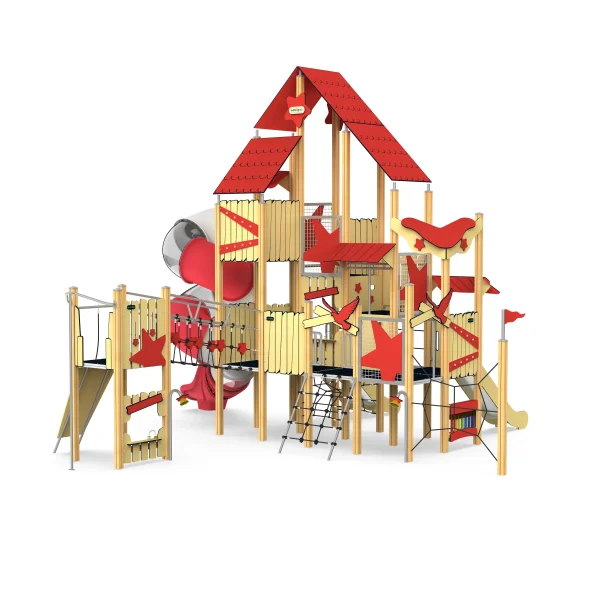
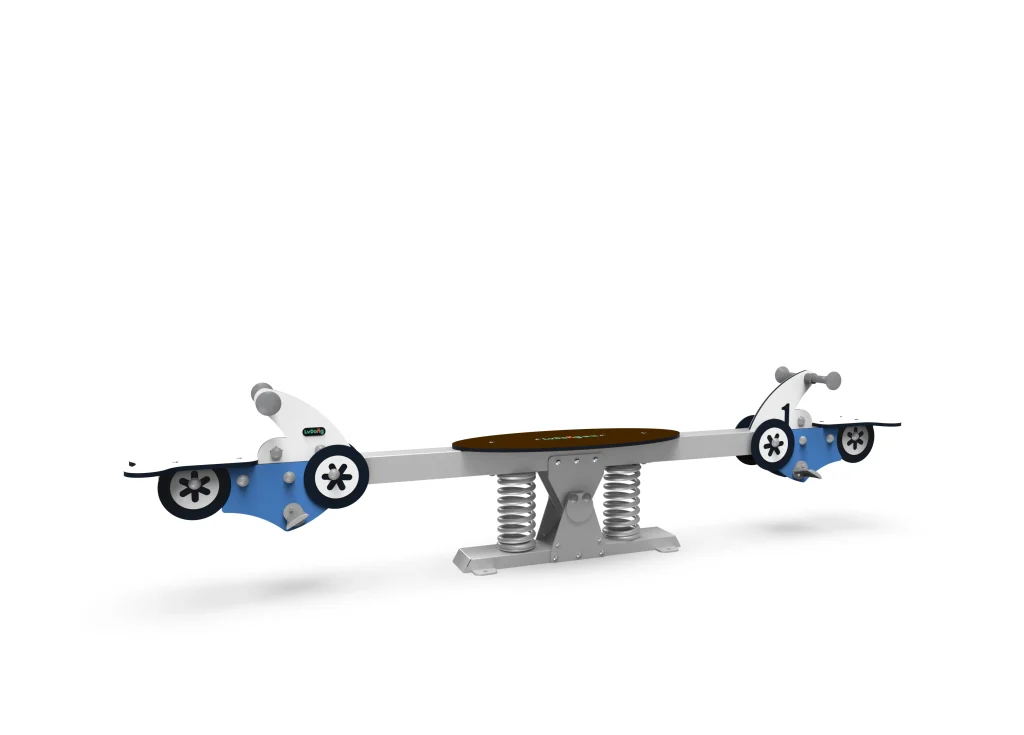
When you are comparing interactive playground equipment from different manufacturers, energy efficiency often hides in the component datasheets rather than in the marketing summary. We recommend asking suppliers for the following specifications, which together give a real picture of operating cost.
First, the quiescent current draw when the equipment is in standby mode. Many LED play panels remain partially powered to detect touch input. If the standby consumption is above 2 watts, the panel will drain a battery bank more through overnight idle than through daytime use. Second, the IP rating of the power enclosure and every external connector. IP65 is the minimum for outdoor interactive electronics; IP67 is better in coastal or high-humidity zones. Third, the expected cycle life of the battery if the system uses stored energy. A lithium iron phosphate (LiFePO4) battery rated for 2,000 cycles at 80% depth of discharge will outlast a standard lead-acid battery by a factor of three in the same daily cycling scenario.
It is also worth verifying whether the supplier has tested the interactive feature’s energy draw in a real-world duty cycle. A bench measurement of a single LED strip in a laboratory does not reflect the combined load of an LED array, a microcontroller, and a speaker amplifier all running simultaneously while the equipment is in use. We have found that manufacturers who publish measured power curves across multiple play intensity scenarios are more likely to have engineered the power management carefully.
The foundation for making these comparisons confidently starts with a structured supplier evaluation process. <Selecting Commercial Playground Manufacturers A Step by Step Guide> walks through the key qualification steps, including documentation requests, factory visit checkpoints, and compliance verification.
Common Questions About Interactive Playground Energy and Visitor Value
Do interactive playground features actually increase footfall enough to justify the cost?
In our experience, the answer is yes for venues where dwell time drives secondary revenue—resorts, ticketed attractions, and malls—and less clear for public parks without adjacent commercial activity. The deciding factor is whether an extra 15 minutes of stay per family converts into measurable spending. If your site sells food, beverages, or paid activities nearby, the annual energy cost of under $60 is recovered many times over.
Should I worry more about energy consumption or component failure?
Component failure. Interactive features that stop working erase the visitor retention benefit entirely, and the repair cost often exceeds several years of electricity. We prioritize sealed connectors, conformally coated circuit boards, and field-replaceable modules so that a single failed LED strip does not take down an entire panel. Spend your design budget on reliability first, then optimize the energy source.
Is solar really practical for interactive playground equipment?
Yes, for most latitudes below 55°, if the battery bank is sized for the worst month of sunlight, not the average. We have seen successful solar-powered interactive installations in Germany, the UK, and Japan by using larger panels, lithium batteries, and motion-activated wake-up circuits. The key is to involve the equipment supplier early in the site assessment so the panel wattage and battery capacity are matched to real insolation data, not a generic assumption.
What is the most common energy waste in interactive playgrounds?
Leaving the system powered during hours when the playground is empty. A timer or light sensor that shuts down the interactive features overnight and during winter closure periods pays for itself in battery replacements alone. We also see installations where the audio module drives a speaker at full power into a vacant playground every time a bird lands on a sensor. Tuning the activation threshold and adding a short timeout after the last trigger both cut consumption without affecting the child’s experience.
If your site plan includes interactive spinners, play panels, or musical equipment and you want to see actual power draw data from installations similar to your climate zone, we can share field measurements from our completed projects. Reach our team at [email protected] or via WhatsApp at +8613915684545, and specify your location and the type of interactive features you are considering so we can pull the most relevant energy profiles.
If you’re interested, check out these related articles:
20 Essential Questions Choosing a Playground Equipment Supplier
Buyers Guide to Spinning Playground Equipment in 2025
Maximizing Space Strategic Designs for Mall Indoor Playgrounds