Selecting a school playground equipment supplier is one of the most consequential decisions a school administrator will make. The equipment must withstand daily use by energetic children, meet rigorous safety standards, and support developmental play – while staying within budget. Over years of designing and overseeing playground projects, I’ve seen that the lowest quote rarely delivers the safest or most durable solution. Schools gain the most value by evaluating a supplier’s integrated capability: from design and manufacturing to installation and long‑term after‑sales support. This guide explains what to look for beyond price, so you can choose a partner who will keep your playground safe and engaging for a decade or more.
What Are Your School’s Playground Needs and Constraints?
Before comparing suppliers, define exactly what your school requires. Consider the site dimensions, any slope or drainage issues, and the age range of users (typically toddlers 2–5 and elementary students 5–12). Decide whether you need a multi‑activity set combining swings, slides, and climbers, or separate free‑standing pieces. Set a realistic budget that accounts not only for equipment but also for safety surfacing, freight, and installation. If your school serves children with disabilities, inclusive design features must be part of the brief. Also think about the play value you want: physical challenges, imaginative play, or sensory stimulation. A clear brief helps the supplier propose equipment that fits your educational goals and site constraints, and it makes later comparison of proposals easier.
Is the Supplier’s Design Capability Up to School Safety Standards?
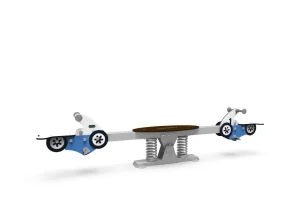
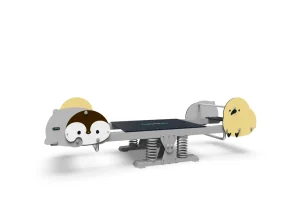
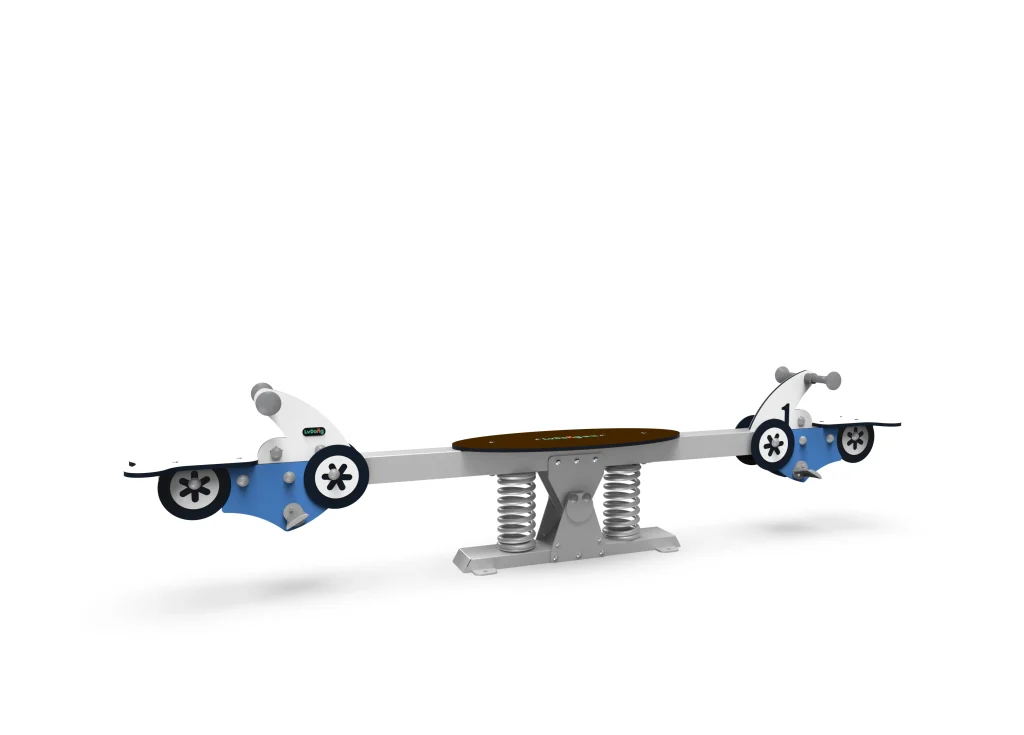
Design is where safety starts. I’ve reviewed countless supplier proposals for school playgrounds and often find that drawings look attractive but overlook critical safety distances, fall‑height limits, or age‑appropriate zoning. A supplier that only sells catalog equipment without a dedicated design team can leave your school exposed. Look for evidence that the supplier routinely creates play zones meeting EN 1176 or ASTM F1487 requirements, including correct impact attenuation, entrapment prevention, and safe clearance areas. For example, a spring rider must have a maximum fall height of 50 cm and stable rebound control; our SG series spring riders satisfy this with a 99 cm length and a low centre of gravity. The supplier should also provide a detailed safety compliance document for each item.
| Standard | Region | Scope |
|---|---|---|
| EN 1176 | Europe | General safety for playground equipment, including impact, entrapment, and structural integrity |
| ASTM F1487 | USA | Public play equipment performance specifications, covering head entrapment, protrusions, and surfacing |
| GB/T 34272‑2017 | China | Safety requirements for children’s playground equipment, addressing design, materials, and testing |
What safety certifications should I check?
Third‑party certifications like TÜV, CE, or ISO 9001 indicate that the manufacturer’s processes are audited regularly. Ask for copies and verify their validity. An ISO 9001‑certified manufacturer maintains documented quality control across design, production, and after‑sales, reducing the risk of defects that could otherwise surface months after installation.
How does the supplier handle age‑appropriate design?
Equipment for toddlers must have low platforms, secure handrails, and soft landing zones, while gear for older children can include higher climbing structures and more complex movement. A competent supplier will present separate play zones clearly labelled by age group and will design traffic flow so that younger children are not exposed to equipment meant for older ones. This zoning also aligns with school recess schedules and supervision needs.
Can they provide a 3D layout for my site?
A free 3D design render is a strong indicator that the supplier invests in understanding your space. We routinely produce detailed 3D models that show placement, fall zones, and sight lines, helping school stakeholders visualize the final outcome and catch potential layout problems before manufacturing begins.
How Does the Manufacturer’s Production Quality Impact Long‑Term Performance?
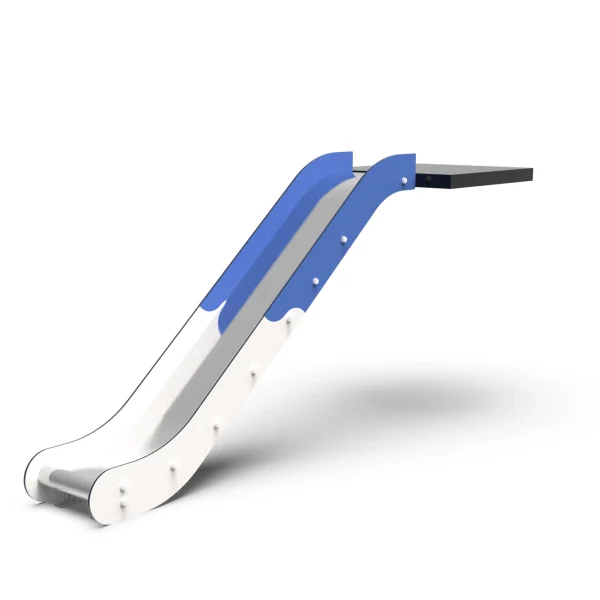
Even a well‑designed playground can fail early if manufacturing quality is poor. School equipment endures thousands of cycles of use per day, so material selection and fabrication processes matter. Rotomolded LLDPE plastic slides resist cracking and fading; 304 stainless steel hardware prevents rust; powder‑coated galvanized steel posts maintain structural integrity. A reliable manufacturer will use certified raw materials and conduct load testing on welds and joints.
| Material | Typical Application | Key Benefit |
|---|---|---|
| LLDPE (rotomolded) | Slides, panels | UV resistance, high impact strength, easy to clean |
| 304 stainless steel | Fasteners, bearings | Corrosion resistance, long‑term strength |
| Galvanized steel with powder coating | Posts, frames | Structural durability, weather protection |
In our production line, every plastic component is rotomolded under controlled temperature, and steel parts undergo salt spray testing to verify corrosion resistance. This manufacturing rigor translates to playgrounds that remain safe and attractive for over ten years with minimal maintenance.
If your project includes custom features or a mix of age groups, it’s worth discussing your specific layout with a designer. Reach out to us at [email protected], and we’ll help confirm that your design meets all applicable safety standards before you commit.
What After‑Sales Support Can You Expect Over the Equipment’s Lifecycle?
Playground equipment is a long‑term investment, and supplier support after installation is just as important as the initial purchase. Ask about the warranty period for structural components, surface finishes, and moving parts. Typical warranties range from 2 to 5 years on steel structures and 1 to 3 years on plastics, but the real value lies in the supplier’s ability to provide spare parts promptly. We keep a ready stock of common wear items like swing bearings, spring riders, and panel hinges, so schools can minimize downtime.
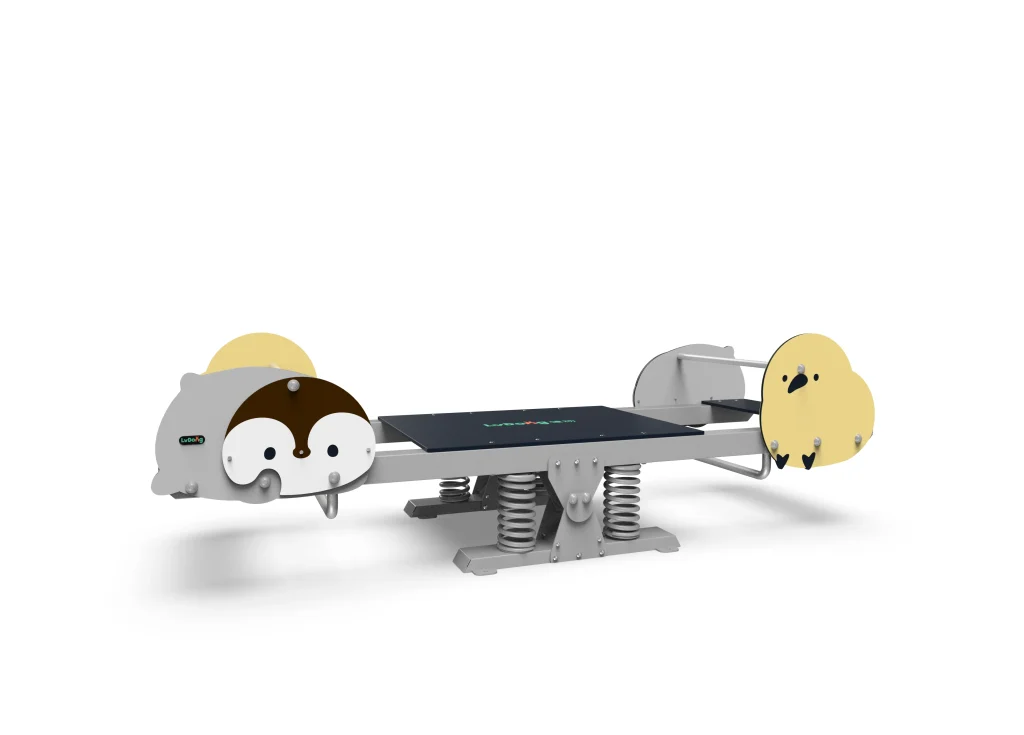
Also confirm whether the supplier offers installation supervision or turnkey installation. For schools outside the manufacturer’s home country, local installation support can avoid costly set‑up mistakes. Finally, request a recommended maintenance calendar and inspection checklist; a responsible supplier will help you train staff on daily, weekly, and annual safety checks.
How Do You Compare Quotes Without Missing Critical Inclusions?
Price is an obvious factor, but comparing quotes requires looking beyond the bottom line. Some suppliers quote only the equipment, leaving surfacing, freight, and installation as extra charges. Others include a full package. To make a fair comparison, ask each supplier to itemize: equipment cost, safety surfacing (type and area), delivery charges, installation labour, and any after‑sales service fees. A transparent supplier will also clarify the scope of the warranty (whether it covers materials only, or labour for replacement, too). Keep in mind that a slightly higher upfront cost can result in significantly lower maintenance expenses over ten years. When all inclusions are equal, give extra weight to the supplier with stronger design support, faster spare parts delivery, and documented safety compliance.
At Suzhou LvDong, we believe every school deserves a safe, engaging playground that lasts. If you’re ready to plan your project, send us your site dimensions and age group targets, and we’ll prepare a free 3D layout and a detailed quotation including all necessary safety components. Contact Liu Ming at [email protected] or WhatsApp +8613915684545.
What School Administrators Often Ask About Playground Suppliers
How long does installation take?
A medium‑sized school playground with multiple structures usually takes 3 to 5 days for professional installation, assuming the site is prepared and weather permits. A supplier that offers supervised installation or turnkey service can often complete the work faster, as their team is familiar with the equipment. If you use local contractors, the timeline may extend while they learn the assembly. We recommend scheduling installation during school breaks to minimize disruption, and always confirming the installer’s familiarity with the specific products.
What ongoing maintenance does the equipment need?
Ongoing maintenance is simple but critical. A basic routine includes daily visual checks for loose bolts or damaged parts, weekly cleaning of plastic surfaces, monthly lubrication of moving joints, and an annual professional inspection of structural integrity and ground surfacing depth. Suppliers should provide a tailored maintenance schedule; at a minimum, you’ll need to inspect welds, bearings, and anchor points each year. We provide a free annual maintenance calendar to help school staff stay on track.
Can playground equipment be customized to fit our curriculum?
It depends on the supplier’s manufacturing flexibility. Many standard components can be combined in unique ways to create themed zones that support specific learning outcomes, such as a nature exploration area with spring riders and sensory panels. True customization (adding a school logo to a play panel or creating a bespoke tunnel slide) requires the supplier to have in‑house design and rotomolding capabilities. We frequently work with schools to adapt colours, panel graphics, and layout configurations while keeping the design compliant with safety standards.
What is the typical warranty for commercial playground equipment?
Warranty terms vary, but as a rule of thumb, expect 2 to 5 years on steel structures, 1 to 3 years on plastic components, and 1 year on moving parts like bearings and springs. The warranty should clearly state whether it covers parts only, or parts and labour. A supplier confident in their manufacturing quality may offer extended coverage for critical elements like posts and platforms. Always get the warranty in writing and ask what happens if a defect is found after installation.
How do we stay compliant as standards evolve?
Playground safety standards are periodically updated, and it is the school’s responsibility to ensure ongoing compliance. A supplier that stays active in industry groups and retests their products against new standards can alert you to necessary upgrades. We recommend that every school have an annual safety audit performed by a qualified inspector who checks equipment condition and surfacing depth. If a standard changes, your supplier should be able to provide updated compliance documentation or replacement parts as needed. If you’d like to review your current playground’s compliance status, reach out to us and we’ll help you assess it.
If you’re interested, check out these related articles:
Key Contract Clauses for Commercial Playground Equipment Purchase
Weatherproof Play Panels Material Durability Comparison
UV Resistance Testing Protecting Outdoor Playground Spring Riders
Stand and Spin Equipment Essential Maintenance Safety Guide
Buyers Guide to Spinning Playground Equipment in 2025