Children climb onto a plastic horse, grip the handles, and start rocking. Within seconds, they’re somewhere else entirely—galloping across an open field, racing a friend, or escaping imaginary danger. Animal spring riders have held this kind of power over young imaginations for decades. They look simple, almost too simple, but the developmental work happening during those few minutes of bouncing is anything but. Balance, coordination, core strength, and the ability to create shared stories with other kids all get exercised at once. For playground designers and procurement teams, these riders represent one of the most efficient investments in child development per square meter of play space.
Why Animal Spring Riders Still Matter in Modern Playground Design
Animal spring riders occupy a unique position in outdoor play solutions. Unlike climbing structures or slides, they demand active participation from the child’s entire body while simultaneously inviting narrative play. A child on a spring rider isn’t just moving—they’re usually pretending to be somewhere else, doing something important. This dual engagement, physical and imaginative, is what makes these pieces so effective for child development play.
The rocking motion itself builds proprioception, the body’s internal sense of where it is in space. Children who struggle with balance often benefit from repeated exposure to this kind of controlled instability. The spring provides resistance without being punishing, letting kids push their limits safely. Meanwhile, the animal form gives them something to project onto. A dolphin becomes a vehicle for ocean adventures. A dinosaur transforms the playground into a prehistoric landscape. This imaginative engagement supports cognitive development in ways that pure exercise equipment cannot replicate.
Modern playground design increasingly recognizes these benefits. Play value assessment frameworks now account for the narrative potential of equipment, not just its physical demands. Animal spring riders score well on both metrics, which explains their continued presence in new installations despite the availability of more technologically complex alternatives.
Ten Animal Spring Rider Designs That Consistently Perform Well
The selection of commercial spring riders shapes how children interact with a play space. Themed playground equipment creates coherent environments that support sustained imaginative play. Our experience with custom playground designs has shown that certain animal forms consistently resonate with children across different cultural contexts and age groups. These durable playground animals work equally well in kindergarten playground equipment settings and larger community parks.
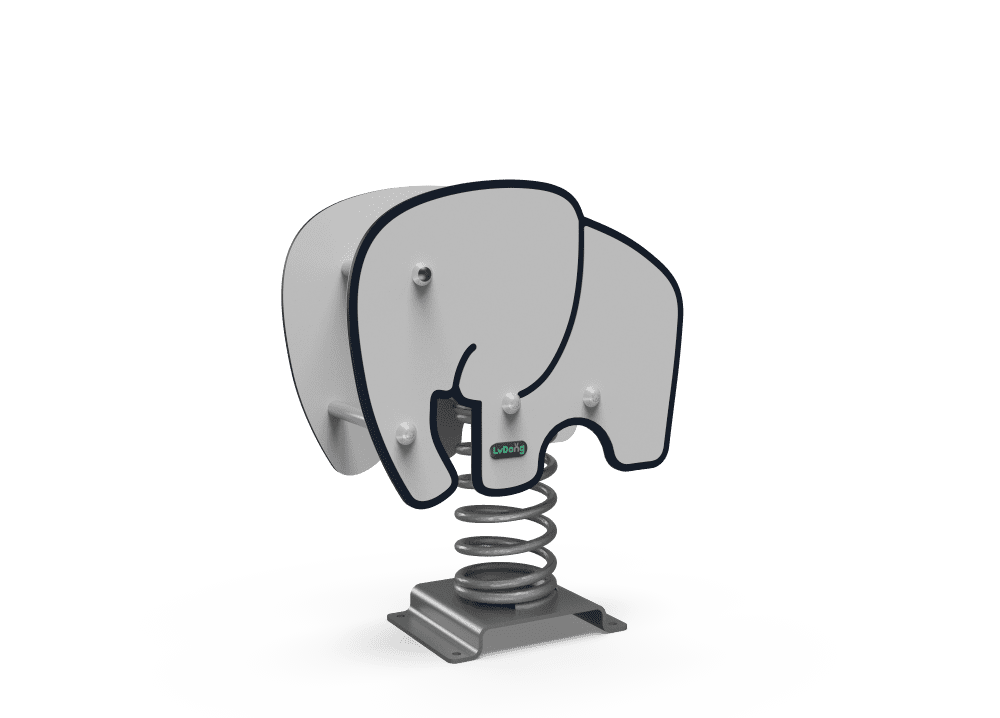
The classic horse remains the most requested design. Its association with movement and adventure is nearly universal, and children intuitively understand how to interact with it. Elephants offer a different appeal—their larger, more stable form provides security for younger or more cautious children who want to participate but need extra support.
Dolphins bring aquatic themes into landlocked playgrounds, sparking imaginative ocean exploration. Frogs add a whimsical quality that younger children particularly enjoy. Eagles inspire thoughts of flight and freedom, while giraffes offer a unique elevated perspective that encourages children to stretch and look around.
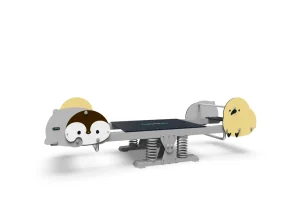
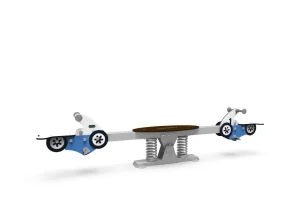
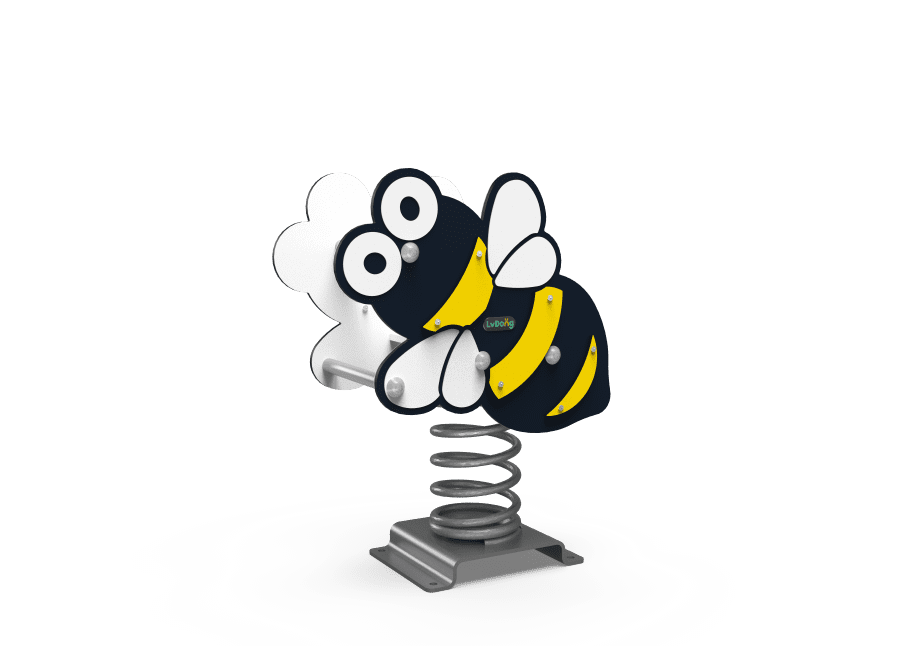
Race cars appeal to children who gravitate toward speed and competition rather than animal narratives. Ladybugs attract attention through bright colors and friendly, non-threatening appearance. Dinosaurs remain perennially popular, transforming any playground into a site for prehistoric adventures. Caterpillars, with their segmented bodies, provide both visual interest and varied tactile experiences.
These designs, typically crafted from eco-friendly playground materials, are selected for their ability to stimulate multiple forms of play simultaneously.
What Actually Matters When Selecting Spring Riders
Effective spring rider selection requires looking past surface appeal to evaluate safety, durability, and inclusivity. Playground planners who focus only on aesthetics often discover maintenance problems or accessibility gaps after installation. A strategic approach to these decisions reduces long-term costs while ensuring that every piece of equipment serves its intended developmental purpose.
Materials and Safety Standards That Determine Equipment Longevity
The safest materials for commercial playground spring riders are well-established. High-quality LLDPE (Linear Low-Density Polyethylene) handles plastic components effectively because it resists UV degradation and maintains structural integrity under repeated stress. Galvanized steel is essential for springs and structural elements—it prevents rust formation and ensures the equipment can handle years of vigorous use without compromising safety.
Adherence to international safety standards like EN1176 and ASTM isn’t optional for serious playground equipment manufacturers. These standards govern everything from material selection to edge radius specifications, ensuring that durable playground animals can withstand both environmental exposure and the unpredictable forces children apply during play. Equipment that meets these standards typically requires less maintenance of playground equipment over its operational life.
Making Spring Riders Work for Children With Different Abilities
Inclusive playground design for spring riders requires intentional modifications rather than afterthought accommodations. Children with diverse physical and developmental needs deserve access to the same dynamic play experiences as their peers. This means incorporating features like enhanced back support, secure harnesses, or wider seating that don’t stigmatize users but simply expand who can participate.
Sensory play equipment principles apply here as well. Spring riders with varied textures or sound-producing elements enrich the experience for children with sensory processing differences. The goal is creating equipment that welcomes all children without requiring separate “accessible” versions that isolate users from their peers.
For those working on broader layout considerations, our insights on 《Outdoor Playground Set Layout Strategic Design for Optimal Play》 address how individual equipment choices fit into comprehensive playground planning.
How Procurement Decisions Affect Long-Term Playground Success
Strategic procurement extends beyond comparing unit prices. The real evaluation involves assessing suppliers based on their R&D capabilities, quality control processes, and service infrastructure. When considering commercial spring riders for community park installations, partnering with a manufacturer that offers integrated solutions prevents the coordination problems that plague projects with multiple vendors.
| Feature | LvDong Spring Riders (Example) | Competitor A (Example) | Competitor B (Example) |
|---|---|---|---|
| Material Quality | LLDPE, Galvanized Steel | Mixed Plastics, Painted Steel | Recycled Plastics, Standard Steel |
| Safety Standards | EN1176, ASTM, GB/T 34272-2017 | EN71 | Local Standards |
| Durability (Years) | 10-15+ | 5-8 | 7-10 |
| Warranty | 5 Years | 1 Year | 3 Years |
| Customization | High | Limited | Moderate |
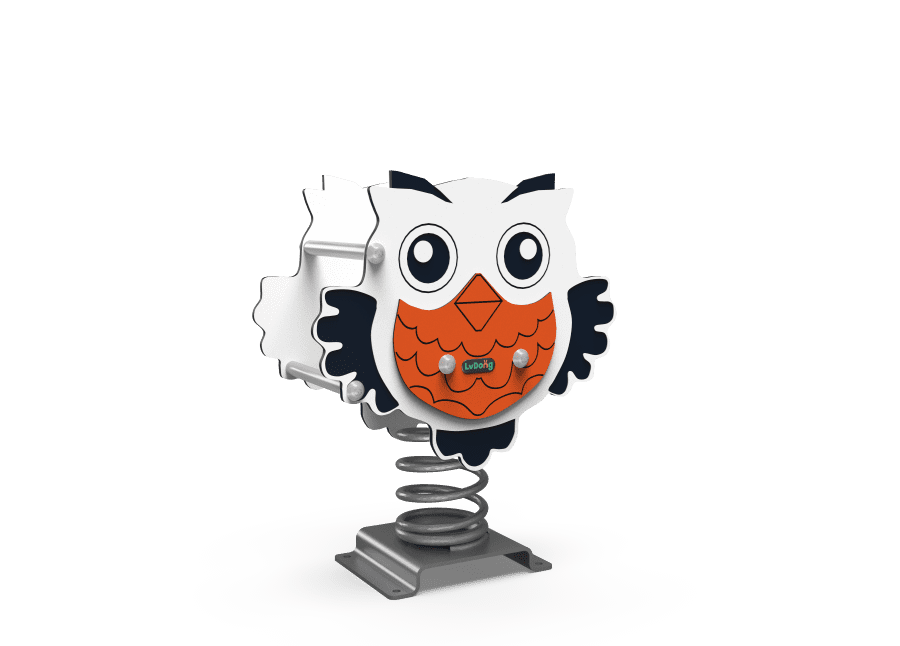
Investing in durable playground animals from manufacturers with established track records ensures extended operational life and consistent play experiences. Robust quality control throughout manufacturing means each product, including Spring Playground Equipment, arrives ready for installation without the quality variance that plagues lower-tier suppliers. An integrated full-industry-chain service covering R&D, design, production, installation, and after-sales support simplifies project management considerably.
The Developmental Work Happening During Dynamic Play
Dynamic play equipment like spring riders delivers developmental benefits that extend well beyond entertainment value. The early childhood play benefits of rocking motion are documented across multiple research domains. Children develop motor skills, balance, and coordination while strengthening core muscles that support posture and movement in other contexts.
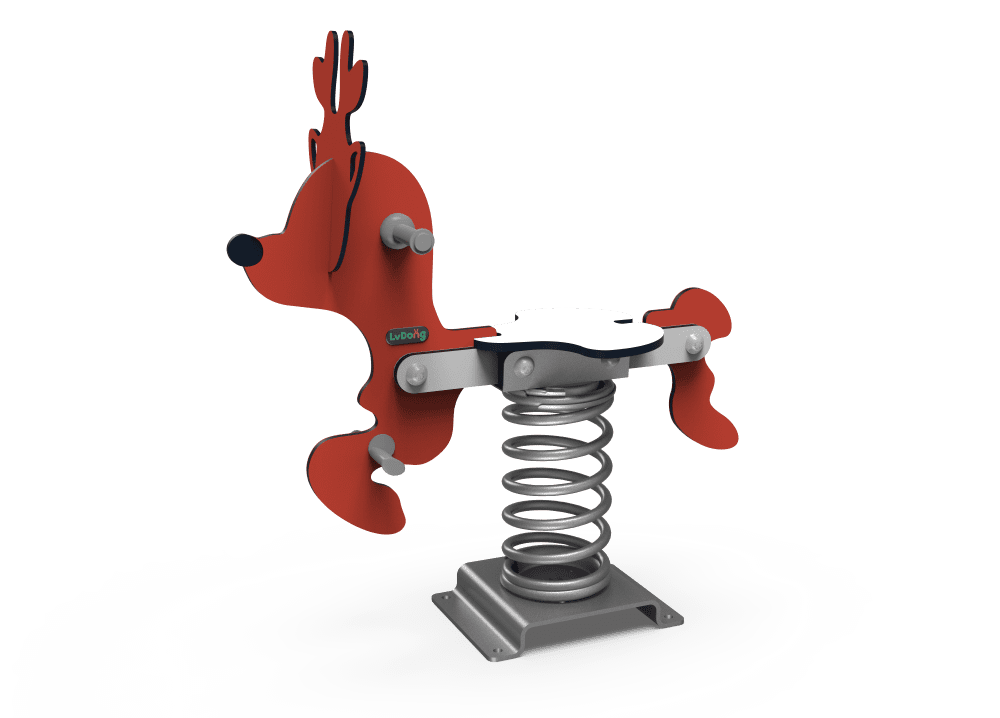
The proprioceptive feedback from spring rider use helps children calibrate their body awareness. This matters particularly for children who struggle with spatial orientation or who need additional sensory input to regulate their nervous systems. The controlled instability of a spring rider provides this input in a playful, non-clinical context.
Cognitive benefits emerge from the imaginative scenarios children construct during play. Problem-solving skills develop as children navigate the physics of the equipment and the social dynamics of sharing. Taking turns, negotiating play narratives, and managing the disappointment of waiting all contribute to social-emotional growth. Integrating such equipment into outdoor learning environments creates opportunities for holistic development that structured activities often cannot match.
Partner with LvDong for Superior Playground Solutions
As a pioneering enterprise in unpowered amusement equipment since 2015, Suzhou LvDong Amusement Equipment Co.,Ltd. combines over a decade of craftsmanship with strategic foresight. With a 10,000+ sqm intelligent production base and an integrated full-industry-chain service, we deliver premium, safe, and innovative playground solutions. Partner with us to transform your vision into vibrant, engaging play spaces. Contact us today for R&D, design, production, installation, and after-sales support tailored to your project needs. WHATSAPP:+8613915684545 | [email protected]
Frequently Asked Questions About Playground Spring Riders
What materials should procurement teams prioritize for commercial spring riders?
Commercial playground spring riders perform best when built with LLDPE (Linear Low-Density Polyethylene) for plastic components and galvanized steel for springs and structural elements. LLDPE resists UV degradation and maintains its integrity under repeated stress, while galvanized steel prevents rust formation that would otherwise compromise safety over time. Equipment meeting EN1176 and ASTM standards has been tested against specific performance criteria, which reduces uncertainty during procurement decisions.
How does spring rider use support physical development in young children?
The rocking motion of animal spring riders engages balance systems, core muscles, and coordination simultaneously. Children develop proprioception—their body’s awareness of position and movement—through the controlled instability the spring provides. This physical engagement happens naturally during play, making spring riders an efficient way to support motor development without requiring structured exercise programs.
What operational lifespan can facilities expect from quality spring riders?
Commercial playground spring riders manufactured to high standards typically last 10 to 15 years or longer with proper maintenance. Material quality matters most—galvanized steel springs and UV-stabilized plastics resist the degradation that shortens equipment life. Environmental conditions and maintenance schedules affect actual longevity, but investing in durable playground animals from established manufacturers like Suzhou LvDong significantly reduces replacement frequency and associated costs.