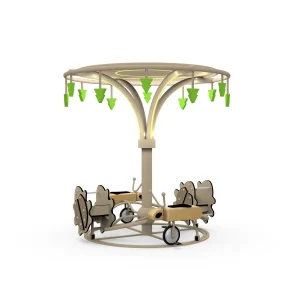
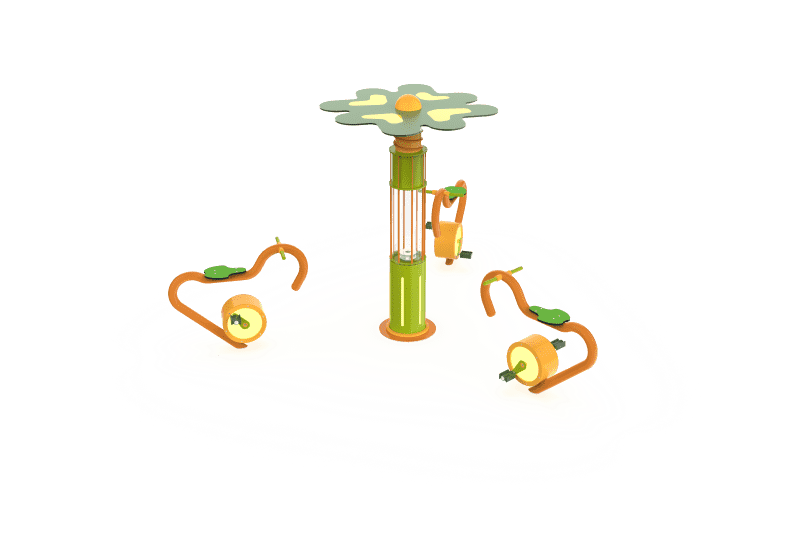
Getting a tornado playground spinner into the ground sounds straightforward until you realize how many small decisions can derail the project months later. I’ve watched installations go sideways because someone skipped the drainage assessment or assumed the existing grade was close enough. The equipment itself is forgiving, but the site rarely is. What follows covers the practical sequence from site selection through long-term upkeep, with particular attention to the details that tend to get overlooked when timelines tighten.
Site Selection Shapes Everything That Follows
Choosing where to place a tornado playground spinner determines more than aesthetics. Environmental conditions like sun exposure, prevailing wind direction, and existing vegetation all influence how the equipment performs and how comfortable children are using it. Drainage deserves early attention because water pooling around the foundation compromises both the anchoring system and whatever safety surfacing you install. Fixing drainage problems after installation costs significantly more than addressing them during grading.
Inclusive design isn’t optional. ADA compliance means accessible pathways, appropriate entry points, and surface materials that accommodate mobility devices. Zoning the play area so that active spinning zones stay separated from quieter activities reduces conflicts and improves supervision.
| Criterion | Description | Importance |
|---|---|---|
| Drainage | Prevent water pooling, ensure equipment longevity. | High |
| Sun Exposure | Balance shade for comfort, avoid excessive heat on surfaces. | Medium |
| Accessibility | Ensure pathways and entry points meet ADA standards. | High |
| Slope & Leveling | Flat, stable ground is essential for spinner operation and safety surfacing. | High |
| Proximity to Other Equipment | Maintain adequate safety clearances from other play structures. | High |
| Supervision Sightlines | Design for clear visibility from supervisory points. | High |
Spatial Layout Determines Safety Margins
Minimum use zones exist for a reason. Children exit spinning equipment unpredictably, often at angles and speeds that surprise even experienced supervisors. The clearance around a tornado playground spinner needs to account for this movement pattern, not just the equipment’s physical footprint. Fall zones extend beyond the spinner’s perimeter and require impact-attenuating surfacing throughout.
Accessible pathways connecting the spinner to other play elements ensure children with mobility challenges can participate fully. When integrating spinners into larger play areas, placement matters for traffic flow. Clustering high-activity equipment creates congestion points that increase collision risk.
Safety Standards Set the Baseline
ASTM F1487 and CPSC guidelines establish minimum requirements for playground equipment design, installation, and maintenance. These standards exist because decades of injury data revealed predictable failure modes. Compliance isn’t bureaucratic box-checking; it reflects accumulated knowledge about what actually hurts children.
Safety surfacing selection directly affects injury outcomes. Different materials offer varying impact attenuation, and the choice depends on the spinner’s maximum fall height, expected traffic volume, and maintenance capacity. Poured-in-Place rubber provides excellent shock absorption and creates a seamless, accessible surface. Engineered wood fiber costs less initially but requires regular raking and replenishment. Rubber mulch falls somewhere between, offering good fall protection with moderate maintenance demands.
Surfacing Choices for High-Traffic Zones
Tornado playground spinners generate concentrated foot traffic in predictable patterns. Children approach, mount, spin, dismount, and often repeat the cycle immediately. This repetitive use wears surfacing faster than distributed play activities.
Poured-in-Place rubber handles heavy traffic well and maintains its protective qualities without frequent intervention. The seamless surface eliminates trip hazards and accommodates wheelchairs. Engineered wood fiber performs adequately but compacts under repeated use, reducing impact attenuation until it’s loosened and redistributed. Climate matters too—freeze-thaw cycles affect different materials differently, and drainage characteristics vary.
Whatever surfacing you select, inspection and maintenance determine whether it continues protecting children. A well-chosen material neglected for months offers less protection than a budget option maintained properly.
Installation Quality Determines Long-Term Performance
Professional installation begins with site preparation. Grading establishes the level surface that tornado playground spinners require for proper operation. Foundation work creates the stable base that prevents equipment movement during vigorous use. Anchoring follows manufacturer specifications precisely because deviations create stress points that accelerate wear.
Post-installation inspection verifies that every component is secure, clearances match design specifications, and the equipment operates as intended. This step catches problems while they’re still easy to fix. Suzhou LvDong Amusement Equipment Co., Ltd. provides installation services that follow established safety protocols and maintain design integrity throughout the process.
Permits Come Before Shovels
Regulatory requirements vary by jurisdiction, but most commercial playground installations require permits. Zoning laws, building codes, and safety inspections apply in different combinations depending on location. Starting the permitting process early prevents delays that cascade through project timelines.
Common regulatory bodies include city planning departments, building code enforcement offices, and park and recreation commissions. Early consultation clarifies specific requirements like setback distances, accessibility standards, and documentation needs. Submitting incomplete applications wastes time and frustrates everyone involved.
Maintenance Preserves the Investment
Equipment value erodes without proactive maintenance. Routine inspections identify wear before it becomes dangerous. Cleaning prevents debris accumulation that accelerates corrosion. Timely repairs address problems while they’re still minor.
A maintenance schedule should include weekly visual inspections, monthly detailed checks of fasteners and moving parts, and annual professional assessments. Documentation matters for liability purposes and helps identify patterns that suggest design or installation issues.
Suzhou LvDong offers after-sales support that extends beyond the initial installation. Guidance on maintenance procedures and access to replacement parts helps preserve equipment performance over its full service life.
Manufacturer Selection Affects Everything
Choosing a manufacturer for unpowered amusement equipment shapes the entire project experience. Research and development capacity determines whether equipment designs reflect current safety knowledge. Quality control measures affect consistency across production runs. Service offerings determine what happens when problems arise.
A manufacturer with integrated capabilities—design, production, installation, and support—provides continuity that fragmented supply chains cannot match. Suzhou LvDong Amusement Equipment Co., Ltd. operates a 10,000 square meter production facility and has completed over 1,500 projects across municipal parks, schools, and residential communities. This experience translates into practical knowledge about what works in real-world conditions.
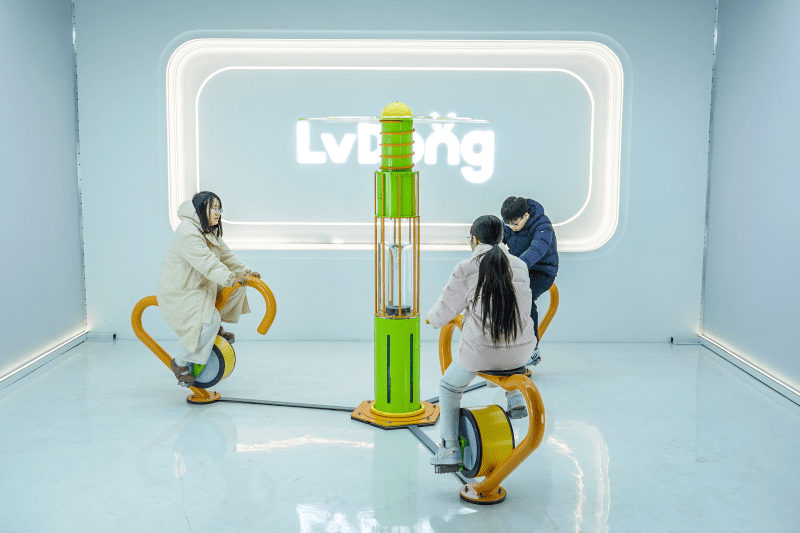
Working With Suzhou LvDong
Suzhou LvDong Amusement Equipment Co., Ltd. has spent over a decade developing unpowered amusement equipment for diverse applications. The integrated approach—covering research, design, production, installation, and ongoing support—ensures consistent quality throughout the project lifecycle. Custom playground solutions address specific site conditions and user populations.
Contact [email protected] for consultation, or reach out via WHATSAPP:+8613915684545 to discuss how our equipment might fit your next project.
Frequently Asked Questions About Tornado Spinner Playgrounds
What are the critical safety clearances for a tornado playground spinner?
ASTM F1487 defines minimum use zones based on equipment design and maximum fall height. The zone extends around the spinner to accommodate children exiting at various angles and speeds. Specific dimensions depend on the particular spinner model, but the principle remains constant: adequate clearance prevents collisions and allows safe supervision. Manufacturer documentation specifies exact requirements for each product.
How do I select the best safety surfacing for a high-traffic spinner area?
Start with the spinner’s fall height, which determines minimum impact attenuation requirements. Poured-in-Place rubber works well for high-traffic areas because it maintains protective qualities without frequent maintenance and creates an accessible surface. Engineered wood fiber costs less but requires regular attention to maintain proper depth and distribution. Budget, climate, and maintenance capacity all factor into the decision.
What permits and regulations are required for commercial playground equipment installation?
Requirements vary by location but typically include building permits, zoning approvals, and compliance with CPSC guidelines and ASTM F1487. Contact local planning departments and building code enforcement early to understand specific requirements. Documentation needs often include site plans, equipment specifications, and safety surfacing details. Early consultation prevents surprises that delay projects.
How can I ensure the long-term durability and safety of my tornado playground spinner?
Quality equipment from a reputable manufacturer provides the foundation. Implement a maintenance schedule that includes weekly visual inspections, monthly detailed checks of fasteners and moving parts, and annual professional assessments. Address wear promptly before it becomes dangerous. Follow manufacturer guidelines for maintenance procedures and replacement parts. Reliable after-sales support helps when questions arise.
What are the developmental benefits of incorporating a tornado spinner into a playground design?
Spinning provides vestibular stimulation that supports balance development and spatial awareness. Children develop coordination, muscle strength, and motor skills through repeated use. The social dynamics of spinner play—sharing, turn-taking, cooperative movement—build interpersonal skills. These benefits emerge naturally when children have access to well-designed, properly installed equipment in safe environments.