Starting an indoor playground project means juggling a lot of moving parts at once. Site constraints, safety requirements, budget limits, and the pressure to create something kids actually want to play on — it all stacks up fast. Getting the design consultation right from the beginning makes a real difference in how smoothly everything else unfolds. Suzhou LvDong Amusement Equipment Co., Ltd. has spent a decade working through these challenges with clients, turning initial concepts into play spaces that hold up over time.
Why Early Expert Guidance Shapes Better Outcomes
Bringing in experienced suppliers at the start of a commercial indoor playground project creates advantages that compound throughout the build. When consultation happens early, potential problems surface before they become expensive fixes. Layout issues, equipment compatibility questions, and compliance gaps all become visible during planning rather than during installation.
Suzhou LvDong’s project planning experience allows the team to anticipate complications that first-time operators often miss. Ceiling heights that limit certain equipment, traffic flow patterns that create bottlenecks, ventilation requirements that affect material choices — these details matter. Early indoor playground design consultation catches them.
The consultation process also opens space for innovation. When there’s time to explore options, custom playground solutions emerge that would never surface under rushed timelines. A well-planned design phase creates room to integrate thematic elements, optimize square footage, and build in flexibility for future expansion.
How the Design Process Actually Works
Moving from an idea to a finished indoor playground follows a structured sequence. Each stage builds on the previous one, and skipping steps tends to create problems later. Suzhou LvDong’s integrated R&D and design capabilities support every phase, with particular attention to space optimization and thematic development.
What Are the Typical Stages of an Indoor Playground Design Project?
The process generally moves through five main stages: initial consultation, site assessment, concept development, detailed 3D design with revisions, and final design approval.
During initial consultation, the focus stays on understanding goals, constraints, and priorities. What age groups will use the space? What’s the available footprint? Are there specific themes or brand elements to incorporate?
Site assessment involves measuring the physical space and identifying structural factors — column placements, ceiling heights, access points, utility locations. This information shapes what’s actually possible.
Concept development translates those inputs into preliminary layouts. Multiple options often emerge at this stage, each with different trade-offs between play capacity, equipment variety, and flow.
The 3D design phase produces detailed visualizations. Clients can see how equipment fits together, how sight lines work for supervision, and how the overall space will feel. Revisions happen here until the design matches expectations.
Final approval locks in specifications for manufacturing and installation. Suzhou LvDong’s full-industry-chain service ensures continuity from this point through completion.
Equipment Safety and the Manufacturer’s Responsibility
The equipment itself carries the weight of safety compliance. A manufacturer’s role extends far beyond producing attractive structures — it includes material selection, structural engineering, testing protocols, and documentation.
Suzhou LvDong maintains strict adherence to international safety standards including EN 1176 and GB/T 34272-2017. The 10,000 square meter production base operates under a standardized quality management system that covers material sourcing through final inspection.
How Does a Supplier Ensure Safety and Compliance?
Reliable suppliers build safety verification into every production stage. Material testing confirms that components meet durability and toxicity requirements. Structural integrity checks verify load capacities and connection points. Certification compliance ensures equipment meets standards like ASTM and EN.
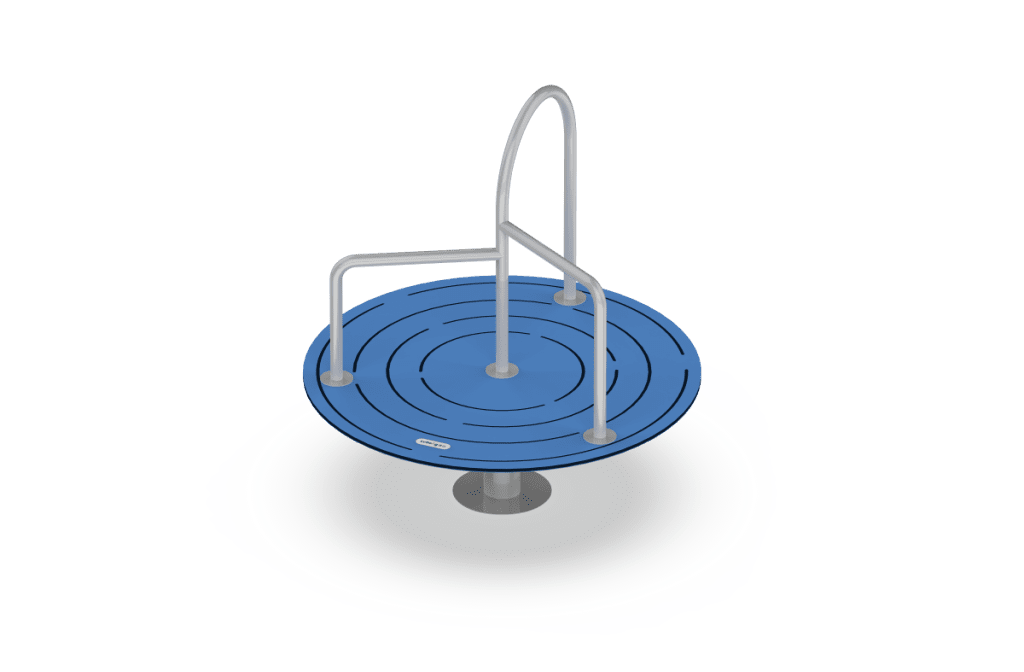
Suzhou LvDong implements post-production inspections on equipment including Multi Player Playground Spinning Wheel and Single Player Playground Spinner to verify that finished products match approved specifications. This systematic approach catches issues before equipment ships.
| Standard Body | Scope | Key Focus | Application |
|---|---|---|---|
| ASTM | North America | Material safety, structural integrity, fall protection | Commercial Playgrounds |
| EN 1176 | Europe | Equipment design, installation, maintenance | Public Playgrounds |
| GB/T 34272-2017 | China | General safety requirements, testing methods | Amusement Facilities |
For more detail on what to look for in safety documentation, consider reading 《Essential Checklist for Playground Equipment Safety Test Reports》.
From Design to Operation: Implementation and Ongoing Support
A successful indoor playground project doesn’t end when the design gets approved. Implementation quality determines whether the finished space matches the plan, and ongoing support affects how well equipment performs over years of heavy use.
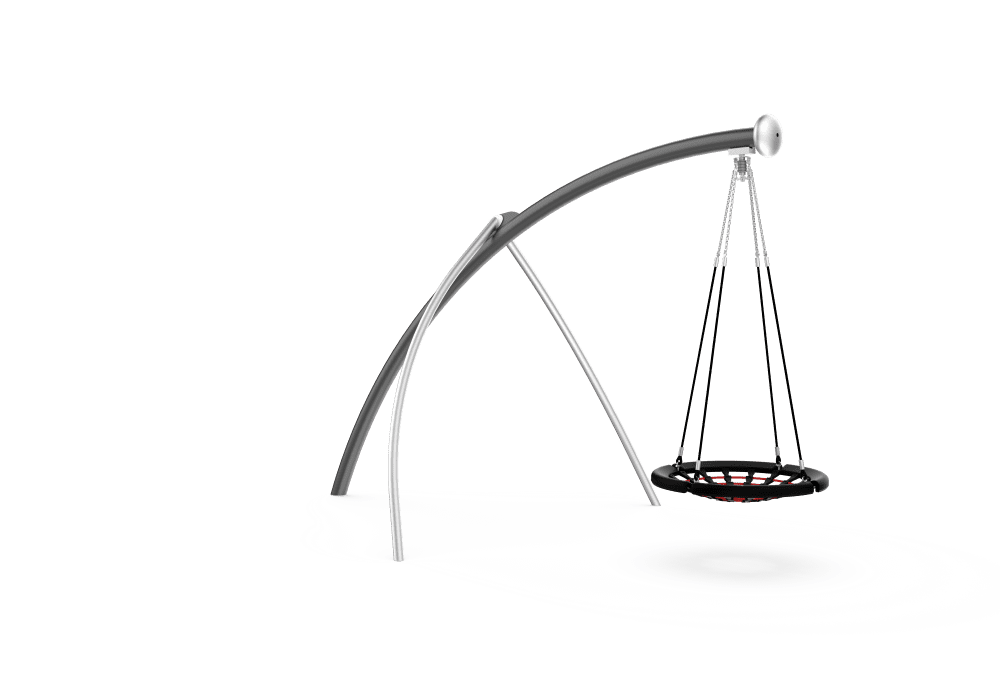
Suzhou LvDong manages installation through trained teams familiar with the equipment specifications. Proper installation affects safety, durability, and even the play experience — equipment that’s slightly misaligned or improperly anchored creates problems that worsen over time.
The company’s track record includes over 1,500 completed projects across municipal parks, residential communities, and cultural tourism destinations. This volume of project management for playgrounds has built institutional knowledge about what works in different contexts and what complications to watch for.
After-sales support matters more than many operators initially expect. Equipment needs periodic inspection, components wear and require replacement, and questions arise about modifications or expansions. Having a responsive partner simplifies these ongoing needs.
Investment Planning and Long-Term Returns
The financial side of indoor playground development involves more than comparing equipment prices. Design quality, equipment durability, and operational efficiency all affect long-term profitability. A playground that costs less upfront but requires frequent repairs or fails to attract repeat visitors ends up more expensive.
Understanding budgeting for amusement projects means accounting for the full lifecycle. Initial costs include design fees, equipment, installation, shipping, and safety surfacing. Ongoing costs include maintenance, staffing, insurance, and eventual equipment replacement.
What Factors Should I Consider When Budgeting?
Budget planning for a new indoor playground should address several categories:
Design fees represent an investment in getting the layout right. Cutting corners here often leads to expensive redesigns later when problems surface during installation or operation.
Equipment costs vary widely based on quality, customization, and manufacturer. Higher-quality equipment typically costs more initially but lasts longer and requires less maintenance.
Installation expenses cover labor and logistics. Professional installation ensures equipment functions safely and maintains warranty coverage.
Maintenance budgets should reflect realistic expectations for wear and repair. Commercial playgrounds see heavy use, and components need regular attention.
| Investment Factor | Short-Term Impact | Long-Term Value | Risk Mitigation |
|---|---|---|---|
| Design Fees | Initial outlay | Unique appeal, optimized space | Avoids costly redesigns |
| Equipment Costs | Significant upfront | Durability, safety, reduced repairs | Ensures compliance, longevity |
| Installation | Project expense | Correct setup, operational safety | Prevents accidents, extends lifespan |
| Maintenance | Ongoing expense | Equipment longevity, safety | Reduces downtime, legal liabilities |
For strategies on making the most of available space, 《Maximizing Space Strategic Designs for Mall Indoor Playgrounds》 offers useful approaches.
What Suzhou LvDong Brings to Indoor Playground Projects
Suzhou LvDong Amusement Equipment Co., Ltd. has operated since 2015, building a position in unpowered amusement equipment through consistent quality and integrated service. The company handles R&D, design, production, installation, and after-sales support — keeping the entire process under one roof.
The production facility spans over 10,000 square meters and operates under a standardized quality management system. This scale supports both standard product lines and custom amusement equipment tailored to specific project requirements.
Experience across 1,500+ projects provides practical knowledge about what works in different settings. Municipal parks, high-end residential developments, and cultural tourism sites each present distinct challenges. That accumulated expertise informs indoor playground design consultation for new clients.
Partner with Suzhou LvDong
Ready to move forward with your indoor playground project? Suzhou LvDong Amusement Equipment Co.,Ltd brings a decade of experience in safe, innovative unpowered amusement solutions. Reach out for a personalized design consultation to discuss how the team can support your specific goals. WHATSAPP:+8613915684545 | [email protected]
Frequently Asked Questions About Indoor Playground Design
How long does an indoor playground design and build project typically take?
Project timelines depend on size, complexity, and customization requirements. Most indoor playground projects run between 3 and 12 months from initial consultation through completed installation. Larger or highly customized projects tend toward the longer end. Suzhou LvDong provides detailed schedules during planning so clients can coordinate other aspects of their business opening or renovation.
Can Suzhou LvDong provide custom indoor playground equipment designs?
Custom design is central to how Suzhou LvDong operates. The R&D and design teams create equipment tailored to specific spaces, target age groups, and thematic concepts. Whether a project needs equipment that fits an unusual floor plan, incorporates brand elements, or targets a particular play experience, customization options exist to address those requirements.
What kind of maintenance is required for commercial indoor playground equipment?
Commercial indoor playground equipment needs consistent attention to stay safe and functional. Daily visual inspections catch obvious problems. Regular cleaning maintains hygiene and appearance. Periodic professional inspections check for wear on moving parts, connection points, and structural components. Suzhou LvDong provides maintenance guidance and after-sales support to help operators establish effective routines.