Playground safety inspections feel different when you’ve actually watched a child trip over a loose bolt you missed last week. That moment stays with you. It shapes how you approach every walkthrough afterward, turning what could be a routine checklist into something more deliberate. The stakes are real: children’s safety, facility liability, and the longevity of equipment you’ve invested in. This piece walks through what a solid self-inspection program looks like, from understanding the regulatory landscape to building habits that catch problems before they become incidents.
What Actually Governs Playground Safety
The regulatory framework for playground equipment safety self-inspection checklist development rests on two primary pillars: ASTM F1487 and the CPSC Public Playground Safety Handbook. These aren’t suggestions. They’re the baseline that determines whether your equipment meets minimum safety thresholds and whether you’re exposed to legal risk.
ASTM F1487 gets specific. It covers fall surfacing depths, entanglement risks, crush points, and structural requirements for public playground equipment. The CPSC handbook translates these technical requirements into practical guidance for operators. Together, they define what compliance looks like.
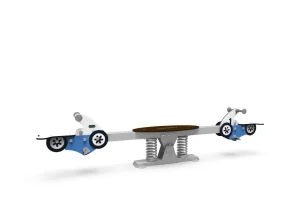
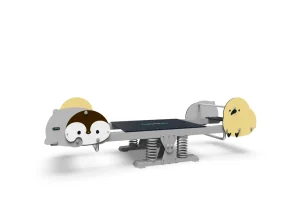
Understanding these standards matters because they inform every inspection decision you’ll make. When you’re checking a multi-player playground spinning wheel for proper clearance zones, or examining a multi-person outdoor playground seesaw for pinch points, you’re applying principles that trace back to these documents. Facilities operating under European regulations will also encounter EN 1176, which addresses similar concerns through a different framework.
| Standard/Regulation | Focus Area | Key Aspects |
|---|---|---|
| ASTM F1487 | Public Playground Equipment | Fall Protection, Entrapment, Structural Integrity |
| CPSC Handbook | Public Playground Safety | Site Surfacing, Equipment Design, Maintenance |
| EN 1176 | European Playground Safety | General Safety Requirements, Installation, Inspection |
For maintaining equipment through weather changes, the principles in 《Optimal Seasonal Care for Outdoor Metal Swing Sets》 apply broadly.
Building an Inspection Program That Actually Works
A playground equipment safety self-inspection checklist only matters if someone uses it consistently. The program behind the checklist determines whether inspections happen on schedule, whether findings get documented, and whether problems get fixed.
Start with clarity about roles. Who conducts daily visual checks? Who handles the more detailed monthly walkthroughs? Who reviews documentation and follows up on corrective actions? Without clear ownership, inspections drift toward inconsistency.
Training matters more than most operators realize. The person conducting inspections needs to understand what they’re looking for, not just follow a list mechanically. They need to recognize the difference between normal wear and wear that compromises safety. They need to know equipment specifications well enough to spot deviations.
Documentation serves multiple purposes. It creates accountability, supports liability defense if incidents occur, and enables trend analysis over time. If you’re replacing the same component repeatedly, your records should reveal that pattern.
The frequency question comes up constantly. Daily visual checks catch obvious hazards like debris, vandalism, or overnight damage. Weekly or monthly operational checks examine functionality, wear patterns, and fastener tightness. Annual comprehensive inspections, ideally by certified professionals, evaluate overall compliance and structural integrity. Post-incident inspections happen whenever someone reports an injury, regardless of severity.
| Inspection Type | Frequency | Focus |
|---|---|---|
| Visual Check | Daily | Obvious hazards, debris |
| Operational Check | Weekly/Monthly | Functionality, wear, loose parts |
| Comprehensive | Annually | Structural integrity, compliance |
| Post-Incident | As Needed | Damage assessment, cause analysis |
Where Problems Actually Show Up
Certain hazard categories appear repeatedly across playground equipment safety self-inspection checklist findings. Knowing where to look saves time and catches issues that less experienced inspectors might miss.
Fall surfacing deserves attention first because falls cause the majority of playground injuries. The surface material needs adequate depth, and that depth diminishes over time as material compacts or displaces. Rubber tiles crack. Engineered wood fiber migrates away from high-traffic zones. What passed inspection six months ago may not pass today.
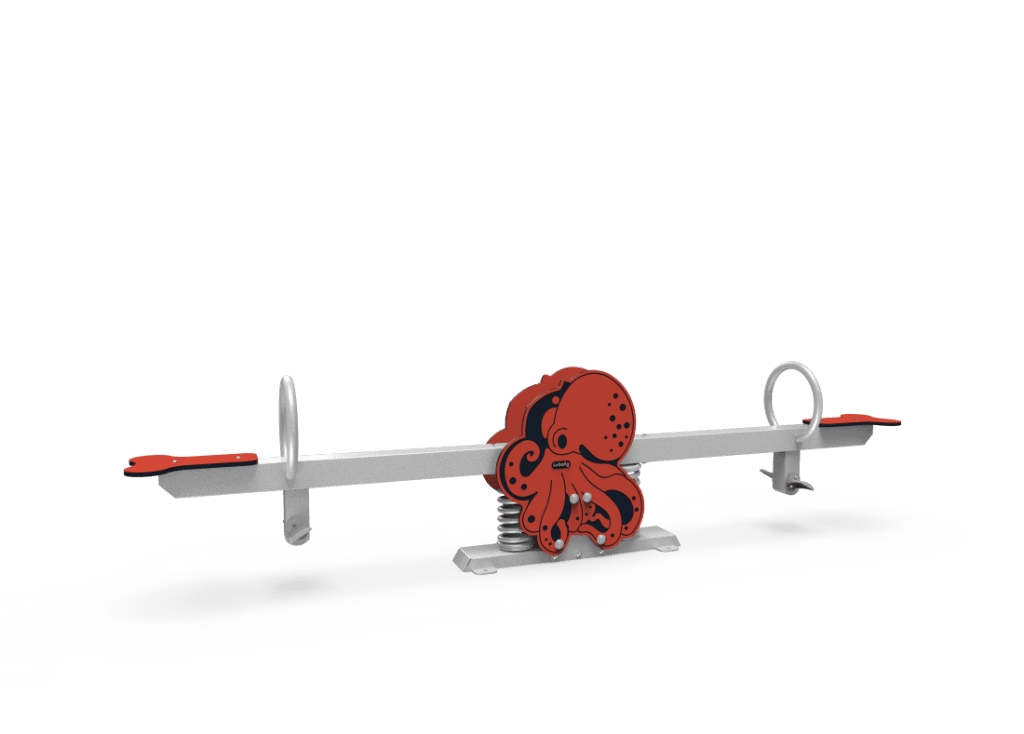
Entrapment hazards involve openings that could trap a child’s head, neck, or limbs. These hazards exist in equipment design, but they also emerge when components shift, break, or get modified. A Playground Spring Rider with secure anchoring and smooth edges when installed can develop gaps as fasteners loosen over time.
Structural integrity checks reveal the cumulative effects of use and weather. Cracks in plastic components, rust on metal parts, wood rot, loose fasteners—these develop gradually. A Multi Person Playground Seesaw might function normally while its spring mechanism slowly weakens, creating a failure risk that only careful inspection reveals.
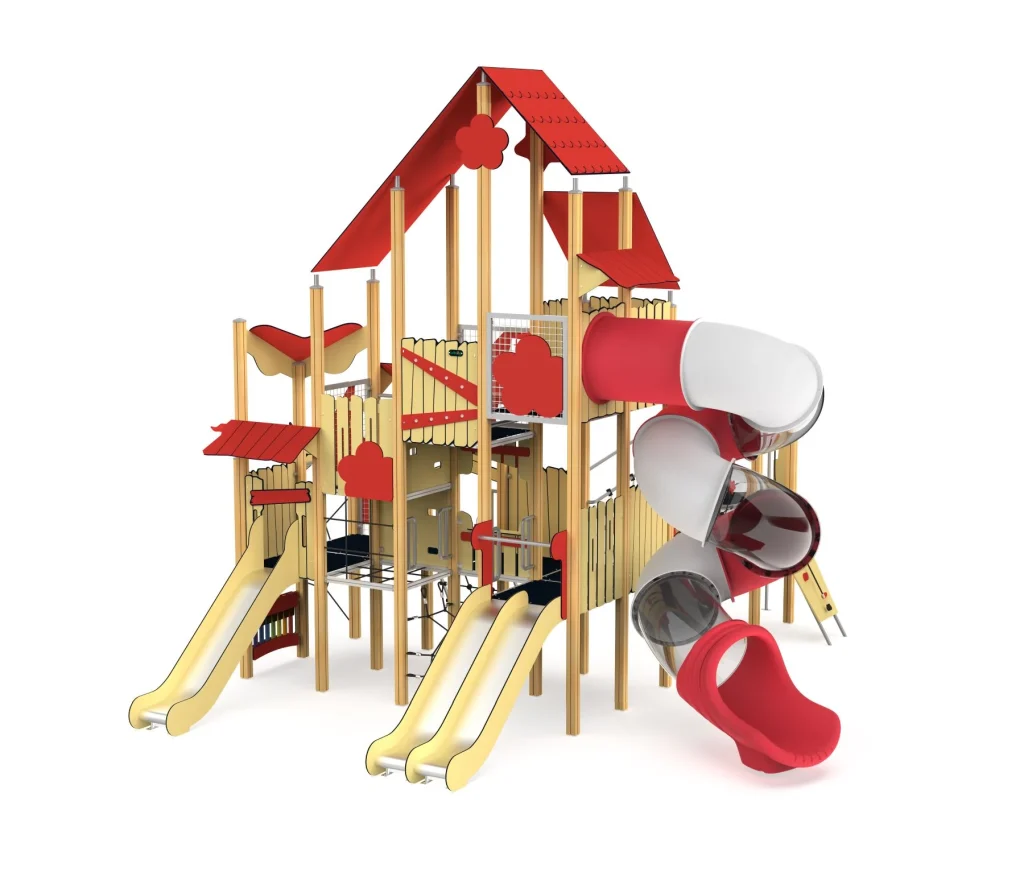
Moving parts require particular attention. Bearings wear. Chains stretch. Pivot points develop play. The smooth operation you expect from a Multi Player Playground Spinning Wheel depends on components that degrade with every rotation.
The Detailed Checklist Itself
A comprehensive playground equipment safety self-inspection checklist covers categories systematically. Surface inspection comes first: proper depth, even distribution, absence of foreign objects, drainage function. Then equipment-specific checks: fastener tightness, structural connections, moving parts operation, surface condition of all touchable components.
Corrosion prevention matters significantly for metal equipment exposed to weather. Surface rust might seem cosmetic, but it indicates protective coating failure that will accelerate if not addressed. Anchoring systems need verification because ground conditions change. Frost heave, soil settling, and root growth can compromise what seemed like permanent installations.
Impact attenuation testing of fall surfaces provides objective data rather than visual assessment alone. The surface might look adequate while actually failing to provide required protection. Testing frequency depends on surface type and usage intensity.
For equipment reliability considerations, the analysis in 《Essential Checklist for Playground Equipment Safety Test Reports》 provides useful context.
From Findings to Action
Identifying hazards accomplishes nothing without corrective action. The gap between inspection and repair is where many programs fail. Someone needs authority to close equipment immediately when serious hazards appear. Someone needs budget access for repairs. Someone needs to verify that repairs actually happened.
Minor issues get scheduled for routine maintenance. Major issues require immediate response. The distinction matters because treating everything as urgent leads to fatigue, while treating everything as routine leads to delayed action on genuine risks.
Maintenance scheduling extends beyond reactive repairs. Lubrication of moving parts, surface treatment for weather protection, tightening of fasteners before they become loose—these preventative actions reduce both hazards and long-term costs. Equipment designed for easy maintenance, like a Single Player Playground Spinner with accessible service points, makes this work practical rather than burdensome.
Record-keeping for all inspections and maintenance activities serves liability protection directly. If an incident occurs, documented evidence of consistent inspection and prompt corrective action demonstrates due diligence. Gaps in documentation suggest gaps in practice, regardless of what actually happened.
Professional Audits and Self-Inspection
Certified Playground Safety Inspector credentials represent specialized training in hazard identification and regulatory compliance. A CPSI brings expertise that most facility operators don’t possess internally. Their assessments catch issues that routine self-inspection might miss.
This doesn’t make self-inspection less important. Daily and weekly checks by on-site personnel catch developing problems between professional audits. The combination provides layered protection: frequent internal monitoring plus periodic expert review.
Third-party inspection services offer independence that internal programs can’t provide. They have no stake in minimizing findings or avoiding difficult conversations about equipment condition. For facilities concerned about liability exposure, this objectivity has value.
Material selection affects long-term maintenance requirements significantly. The comparison in 《Playground Slide Materials LLDPE vs 304 Steel Performance》 illustrates how initial choices shape ongoing inspection and maintenance needs.
Working with Suzhou LvDong
Suzhou LvDong Amusement Equipment Co.,Ltd. brings over a decade of experience to playground equipment design, manufacturing, and installation. The company’s integrated approach covers R&D through after-sales support, with quality management systems that address safety requirements from the design phase forward. More than 1,500 projects across kindergartens, cultural tourism sites, and community facilities demonstrate practical application of these principles.
WHATSAPP:+8613915684545 | [email protected]
Common Questions About Playground Safety Inspections
Why does a regular playground equipment safety self-inspection checklist matter so much?
Consistent self-inspection catches hazards before they cause injuries. It maintains compliance with ASTM F1487 and CPSC requirements, reducing liability exposure. It also extends equipment lifespan by identifying wear before it becomes damage. The alternative—waiting for problems to become obvious—means accepting preventable risks and higher long-term costs.
Can self-inspection replace professional audits entirely?
No. Self-inspection handles routine monitoring effectively, but it can’t substitute for the specialized knowledge a Certified Playground Safety Inspector brings. CPSI audits provide expert assessment of complex compliance questions and catch issues that routine checks might miss. The two approaches complement each other rather than compete.
What records should facilities maintain for playground inspections?
Documentation should include inspection dates, specific findings, identified hazards, corrective actions taken, repair completion dates, and personnel involved at each stage. These records demonstrate due diligence, support trend analysis for maintenance planning, and provide essential evidence if liability questions arise. Organized, complete records matter as much as the inspections themselves.