When you source playground equipment, price and design often dominate the conversation. But the real risk is not the upfront quote; it is what happens after the installation trucks leave. Evaluating playground equipment supplier reliability means moving beyond glossy brochures to scrutinize delivery performance, warranty enforcement, and spare parts logistics. Over years of managing playground projects from design through to long-term after-sales, I have seen that a supplier who cannot deliver on time or respond with spare parts within days will turn a flagship playground into a maintenance liability. That is why I approach every supplier evaluation with a focus on the three factors that matter most after the purchase: delivery, warranty, and spare parts availability.
How Delivery Reliability Determines Project Success
A supplier’s ability to deliver on schedule directly affects site preparation, installation crew bookings, and opening dates. When a playground shipment is two weeks late, the contractor is idle and the client is frustrated. I have learned to look past a salesperson’s promise of “four to six weeks” and demand supporting evidence.
Delivery reliability starts with factory capacity. A supplier with a 10,000 square meter intelligent production base, like the one we operate at Suzhou LvDong, has the infrastructure to absorb large orders without cascading delays. Ask for production line photographs, equipment lists, and recent shipment records for projects similar in scale to yours. A supplier who is unwilling to share these is hiding capacity constraints.
Shipping logistics matter equally. Inland freight to the port, container consolidation, and export documentation each add time. I recommend confirming whether the supplier uses in-house logistics coordination or relies on third parties. In-house teams catch documentation errors earlier and can compress lead times. Also verify the incoterms: EXW pricing may look lower but places all shipping risk on you, whereas FOB or CIF terms show the supplier’s willingness to manage freight.
Finally, pay attention to how the supplier handles delays when they occur. Every manufacturer faces unexpected material shortages. The difference is whether you receive proactive communication with a revised schedule, or silence until the ship date has passed. I advise buyers to ask directly: “When was your last late delivery, and what did you do to correct it?” The answer reveals far more than a generic on-time delivery rate.
Reading a Warranty Beyond the Promised Years
A playground equipment warranty can look impressive on paper but prove thin in practice. Standard commercial warranties fall into three categories, and I recommend buyers understand each before comparing suppliers.
| Equipment Component | Typical Warranty Range | What to Verify |
|---|---|---|
| Steel main structures | 3 to 5 years | Covers structural defects only; confirm what counts as a structural failure |
| Moving parts (bearings, springs) | 1 to 2 years | Excludes normal wear; ask for wear limit specifications |
| Plastic components (slides, panels) | 2 to 3 years | UV degradation often excluded; request accelerated weathering test data |
| Ropes and nets | 1 year | Fraying and abrasion excluded; check maintenance requirements |
| Hardware (bolts, clamps) | 1 year | Rust exclusions common; verify surface treatment standard |
The warranty length is less important than the claims process and exclusions. I have reviewed contracts where the warranty covered steel posts but excluded the connection joints that actually fail first. Ask the supplier to walk you through a hypothetical claim from notification to resolution. How long does a field technician take to respond? Who covers the labor cost of replacing a defective part? A supplier who cannot answer these in writing is selling a warranty they never intend to honor.
Certification references also matter. Reputable suppliers build equipment to EN 1176 or GB/T 34272-2017, and these standards embed safety targets that a warranty alone cannot replace. If the supplier holds ISO 9001 quality management certification, that adds a layer of process auditability. I recommend requesting the latest surveillance audit report, not just the certificate.
Spare Parts Availability: The Test That Separates Manufacturers From Traders
A playground’s lifetime cost depends far more on spare parts than on the initial purchase. Even the most durable spring rider or swing bearing will eventually need replacement. The question is whether you can get that part quickly when a component fails during peak use season.
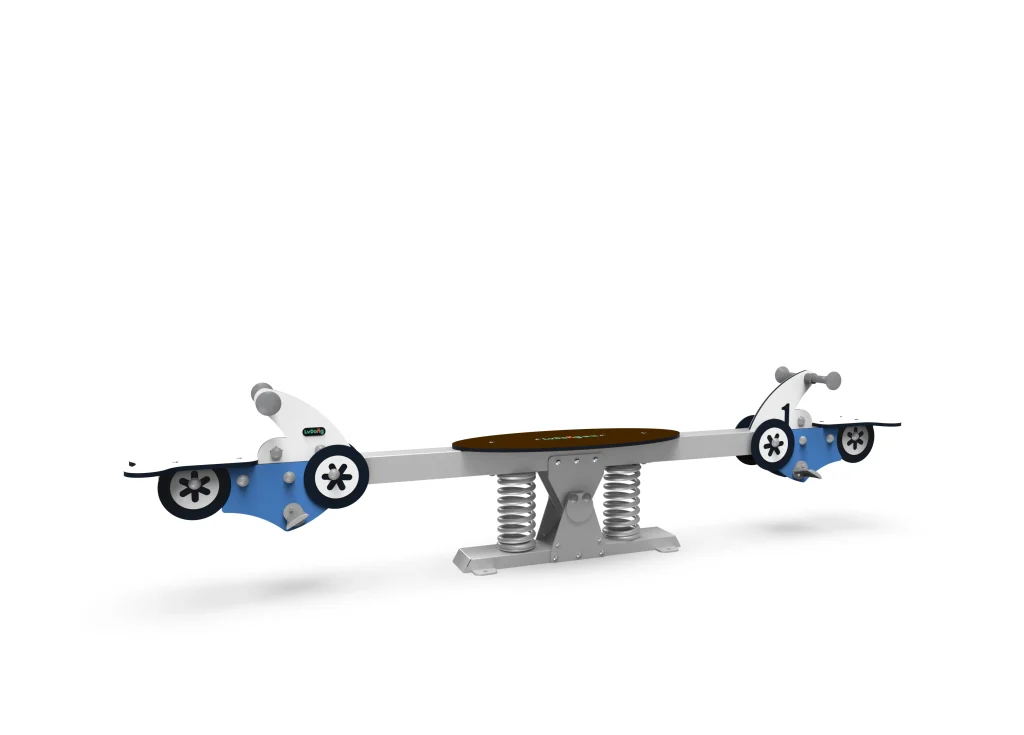
The most reliable indicator is a supplier’s spare parts inventory system. A manufacturer who stocks high-wear components can ship them within days. A trading company that orders parts from an upstream factory after receiving your request will quote two weeks minimum, and actual lead times often stretch to a month. I recommend asking for a live inventory screenshot of the specific spare parts your project will need. If the response is “we can get anything within two weeks,” treat that as a warning sign.
Common wear items such as swing bearings, spring bases, and slide entry hoods should be available as stock items. For our clients, we keep a buffer inventory of the most frequently requested parts and can ship critical replacements within 48 hours after order confirmation. That capability comes from being the manufacturer, not just a reseller.
Also check minimum order requirements for spare parts. Some suppliers who claim parts availability will only ship with a minimum order value that forces you to over-purchase. The right arrangement allows single-piece orders for emergency replacements. I advise including a spare parts supply clause in your purchase agreement that specifies maximum lead times and whether single-piece orders are accepted.
Bringing Delivery, Warranty, and Spare Parts Into One Evaluation Framework
Any single reliability factor is manageable. The risk compounds when a supplier who ships late also has a weak warranty and no spare parts inventory. I recommend evaluating suppliers against all three dimensions simultaneously using a weighted scorecard.
Give delivery reliability a weight of 40 percent in your evaluation, because late equipment delays everything. Warranty terms and spare parts availability each carry 30 percent, but I treat spare parts as the tiebreaker. A supplier with strong parts logistics can compensate for average warranty durations, but even the longest warranty is useless if replacement components are perpetually out of stock.
Ask the supplier to provide three recent client references for projects completed at least two years ago. Those references will reveal whether the post-installation support matched the pre-sale promises. I also suggest building a small spare parts order into your initial contract, even if you do not immediately need the parts. That order tests the supplier’s fulfillment speed and packaging quality before a real emergency occurs.
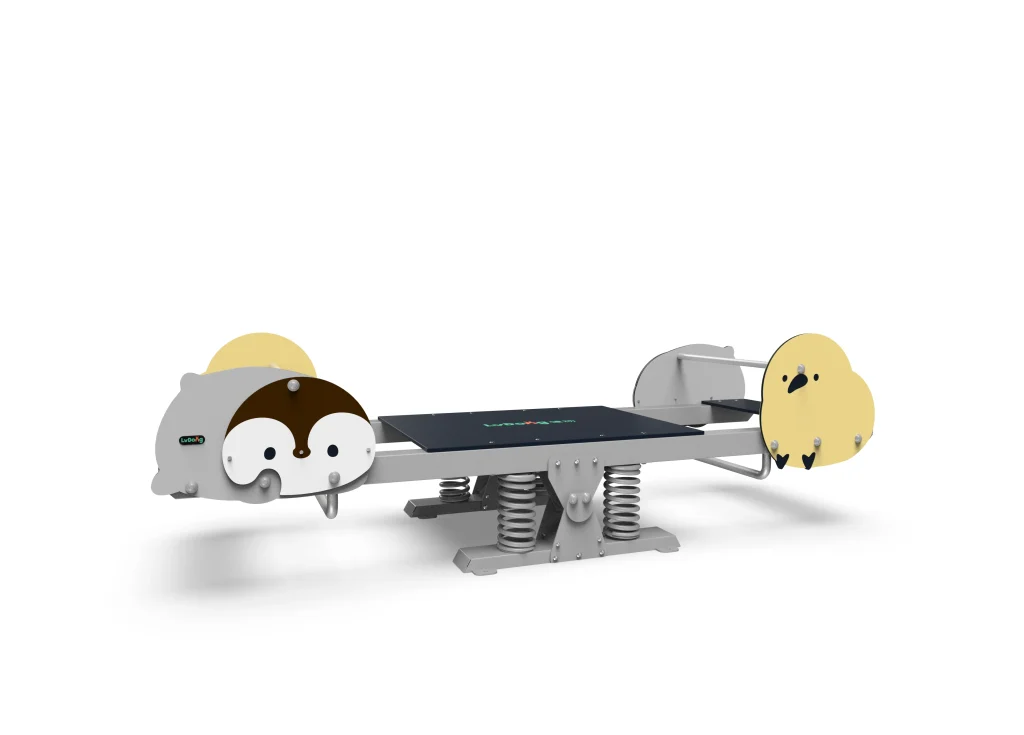
This evaluation approach takes more upfront effort, but it prevents the most expensive mistake in playground procurement: choosing a supplier based on the lowest bid and then absorbing years of hidden costs from downtime and replacement delays. If your project involves multiple equipment types spread across different age zones, the complexity of parts management multiplies. In that case, it is worth confirming the supplier’s spare parts catalog depth and lead times before finalizing the purchase.
What Buyers Often Ask About Supplier Reliability
Is the lowest price supplier ever reliable across all three factors?
Rarely. Manufacturers who compete purely on price cut margins in after-sales support, which is the easiest area to hide. A supplier may offer a competitive unit price but hold no parts inventory, use slower shipping methods, and reduce warranty response staffing. I have observed this pattern in community park projects where the procurement focused on bid price, and the maintenance budget ended up absorbing the true cost. The right question is not “who costs least?” but “who can prove they will still be here in five years?”
How can I check delivery reliability before placing an order?
Request copies of bills of lading or shipping manifests from the supplier’s last three export orders, with confidential information redacted. Those documents show actual shipping dates, which you can compare against the original promised dates. You can also ask the supplier to include a delivery guarantee clause with a penalty for late shipment. A manufacturer confident in their schedule will not hesitate.
What is a realistic spare parts lead time for playground equipment?
From a manufacturer with internal parts inventory, critical components should ship within three to five working days. Non-stock parts that require fabrication can take two to three weeks. If a supplier quotes the same lead time for all parts, they are likely forwarding the order to a subcontractor. Specify a few part numbers in your request for quotation and ask for individual lead times.
Does a longer warranty always mean a better supplier?
Not necessarily. I have seen 10-year structural warranties that only cover complete fracture, not bending, twisting, or corrosion. A practical warranty covers the failure modes that actually occur in the first three years of outdoor exposure. Ask for a copy of a past warranty claim resolution, including inspection reports and replacement actions, to understand how the supplier handles real failures.
If your team is evaluating playground equipment suppliers and needs to verify delivery, warranty, and parts commitments before signing, share your project specifications and timeline with us at [email protected] or on WhatsApp at +8613915684545. We will walk you through our production schedule, warranty terms, and spare parts support so you can make a decision based on documented reliability.
If you’re interested, check out these related articles:
Playground Play Panels Material Selection and Secure Installation
School Playground Equipment Zoning for Grade Based Development