Creating a play space that actually stands out takes more than picking equipment from a catalog. At Suzhou LvDong Amusement Equipment Co., Ltd, we’ve spent over a decade turning ambitious ideas into built structures that kids actually want to play on. The process moves from rough sketches through detailed 3D modeling, and what comes out the other end tends to surprise clients with how closely it matches what they originally imagined.
Why Bespoke Playground Design Actually Matters
Off-the-shelf playground equipment works fine for some situations. But when you’re dealing with an unusual site, a specific community need, or a client who wants something that doesn’t look like every other playground in the district, standard options fall short quickly. The topography doesn’t cooperate. The aesthetic clashes with surrounding architecture. The age range of intended users doesn’t match what’s available.
We’ve completed over 1,500 projects across municipal parks, residential developments, cultural tourism destinations, and schools. What that experience teaches you is that context shapes everything. A slide system that works brilliantly in a flat suburban park becomes problematic on a hillside site. A design that delights preschoolers frustrates older children. Custom work addresses these realities directly rather than forcing compromises.
Conceptualizing Your Vision in the Initial Design Stages
Good design starts with listening. Before any sketching happens, we need to understand what you’re actually trying to accomplish and what constraints the site imposes.
Site analysis comes first. We assess topography, existing infrastructure, drainage patterns, sun exposure, and anything else that affects where structures can go and how they’ll perform over time. A playground that floods after every rain or bakes in afternoon sun creates problems no amount of good design can fix.
From there, we develop a detailed brief capturing functional requirements, aesthetic preferences, and thematic direction. Some clients arrive with specific visions. Others know only that they want something different. Both starting points work, but they require different conversations.
Initial sketches translate these discussions into visual form. These aren’t final designs. They’re conversation starters that help everyone see whether we’re understanding each other correctly. Iteration at this stage costs nothing compared to changes later in the process.
What Are the Key Stages in Custom Playground Slide Development?
The development process follows a predictable sequence, though the time spent at each stage varies by project complexity.
Initial consultations establish scope and gather site information. Conceptual sketches give visual form to early ideas. These concepts evolve into detailed 3D models that clients can review and request changes to. Once designs are approved, we finalize material specifications and engineering details. Manufacturing happens at our production facility. Installation follows, with our teams handling assembly on-site. After-sales support continues from there.
This integrated approach, handling everything from initial design through installation, eliminates the coordination problems that arise when different companies handle different phases.
Transforming Concepts into Interactive 3D Models
Approved concepts move into detailed 3D modeling. This is where abstract ideas become specific structures with defined dimensions, materials, and spatial relationships.
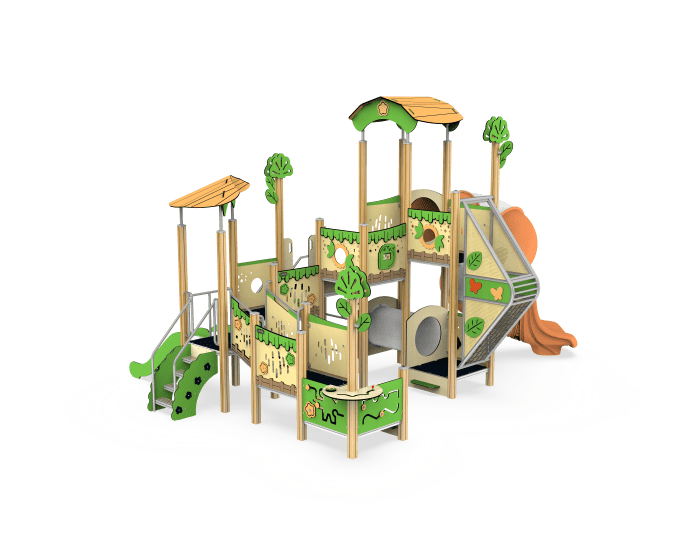
Modern CAD software allows precision that hand drawings can’t match. Clients can virtually walk through proposed designs, viewing them from any angle and understanding how different elements relate to each other. A slide that looks reasonable in a flat sketch might reveal awkward proportions when viewed in three dimensions. Better to discover that before manufacturing begins.
The interactive nature of these models makes client feedback more productive. Instead of describing concerns verbally, clients can point to specific elements and explain what they’d like changed. We can often make adjustments in real time during review meetings.
How Do 3D Models Enhance Playground Design and Safety?
Three-dimensional modeling catches problems that two-dimensional drawings miss. Fall zones become visible. Sight lines reveal whether supervising adults can see all areas. Structural loads can be calculated precisely.
Safety standards specify requirements for things like platform heights, guardrail spacing, and slide angles. Verifying compliance in a 3D model is straightforward. Verifying it from flat drawings requires more interpretation and leaves more room for error.
The models also improve manufacturing accuracy. Component dimensions come directly from the digital files, reducing the measurement errors that accumulate when information transfers between documents.
 ## Material Selection and Engineering for Durability
Materials determine how long equipment lasts and how much maintenance it requires. Getting this right matters more than most clients initially realize.
Outdoor playground equipment faces continuous assault from UV radiation, temperature swings, moisture, and physical wear from thousands of uses. Materials that perform well in controlled environments often fail faster than expected when exposed to these conditions year-round.
We select materials based on specific site conditions and expected use patterns. A playground in a coastal environment needs different corrosion protection than one in a dry inland climate. Equipment serving a busy urban park sees more wear than equipment in a small residential development.
What Materials Are Best for Durable Custom Playground Slides?
Structural components typically use galvanized steel or stainless steel. Galvanization provides corrosion protection at reasonable cost. Stainless steel costs more but offers superior resistance in harsh environments and a cleaner aesthetic.
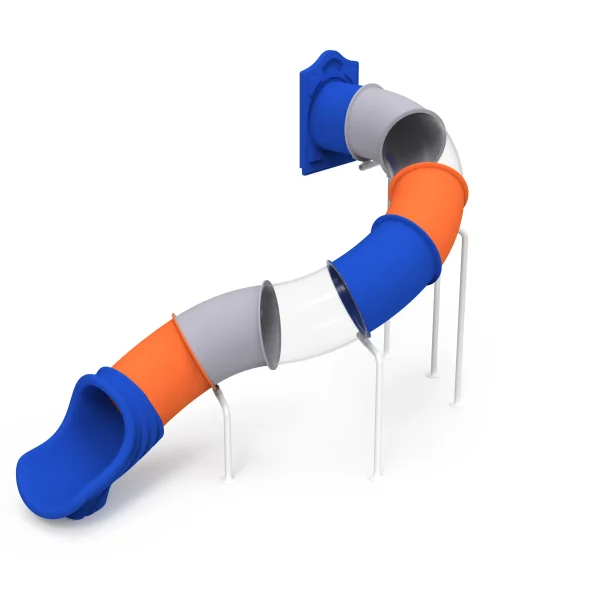
Slide surfaces commonly use high-density polyethylene or fiberglass. HDPE resists UV degradation well, maintains color over time, and provides a smooth sliding surface. Fiberglass allows more complex curved shapes and can be molded into themed designs.
| Material Type | Key Properties | Common Applications | Benefits for Playgrounds |
|---|---|---|---|
| HDPE | Weather-resistant, UV-stable, flexible | Slide surfaces, panels | Durable, safe, low maintenance |
| Galvanized Steel | High strength, corrosion-resistant | Structural frames, supports | Longevity, stability |
| Stainless Steel | Corrosion-resistant, hygienic | Fasteners, specialized slides | Premium durability, aesthetics |
| Fiberglass | Smooth, customizable shapes | Themed slides, intricate designs | Versatility, visual impact |
Environmental considerations increasingly influence material choices. Where feasible, we incorporate recycled content and materials with lower environmental impact, though durability and safety remain primary selection criteria.
From Digital Blueprint to Physical Play Structure
Manufacturing happens at our production facility, which spans over 10,000 square meters and houses the specialized equipment needed for playground fabrication. The 3D models drive CNC cutting and forming operations, ensuring components match design specifications precisely.
Quality control runs throughout production. We inspect materials on arrival, monitor fabrication processes, and verify finished components before shipping. Problems caught in the factory cost far less to fix than problems discovered during installation.
Installation requires coordination between our teams and site conditions. We manage logistics, schedule crews, and handle assembly. Post-installation support addresses any issues that emerge during initial use and provides guidance on ongoing maintenance.
Partner with Suzhou LvDong for Custom Playground Solutions
If your next project needs playground equipment that matches a specific vision rather than catalog constraints, we should talk. Our design and manufacturing capabilities handle everything from initial concepts through installation, with quality systems ensuring consistent results.
Over a decade of experience and more than 1,500 completed projects give us perspective on what works in different contexts. We’re happy to discuss your requirements and explain how our process might apply to your situation.
Contact us: WhatsApp +8613915684545 | [email protected]
Frequently Asked Questions About Custom Playground Design
How long does the custom playground slide design process typically take?
Timeline depends heavily on project complexity and how quickly design decisions get made. Simple projects with clear requirements might move from initial concept to approved 3D model in four to six weeks. Complex projects with multiple stakeholders and extensive revisions can take three months or longer. Our design teams work efficiently, but rushing client review periods usually creates problems downstream.
Can Suzhou LvDong integrate specific themes or branding into custom playground slides?
Yes. Themed designs and branded elements are common requests, particularly for cultural tourism sites and corporate facilities. We work with clients to incorporate specific visual elements, color schemes, and thematic concepts into the 3D models. The flexibility of custom design accommodates requirements that standard equipment simply cannot address.
What safety standards do your custom playground slides adhere to?
Our designs comply with relevant international and domestic safety standards. Safety assessment happens throughout the design process, not just at the end. The 3D modeling phase includes verification of fall zones, guardrail specifications, slide angles, and other safety-critical dimensions. Manufacturing quality control ensures built components match approved designs.
To discuss your custom-slide design brief, contact the LvDong team with your project requirements.