Designing Double Slide Playgrounds That Actually Work
Getting playground traffic right is harder than it looks. You can have the best equipment in the world, but if kids are constantly bumping into each other or waiting in endless lines, the whole thing falls flat. Double slides offer a real solution here, but only when you think through how people actually move through the space. The goal is simple: more play time, less standing around, and nobody getting hurt.
Where You Put the Slides Changes Everything
Placement decisions make or break a double slide installation. Drop one in the wrong spot and you create a traffic jam. Position it thoughtfully and suddenly the whole playground flows better.
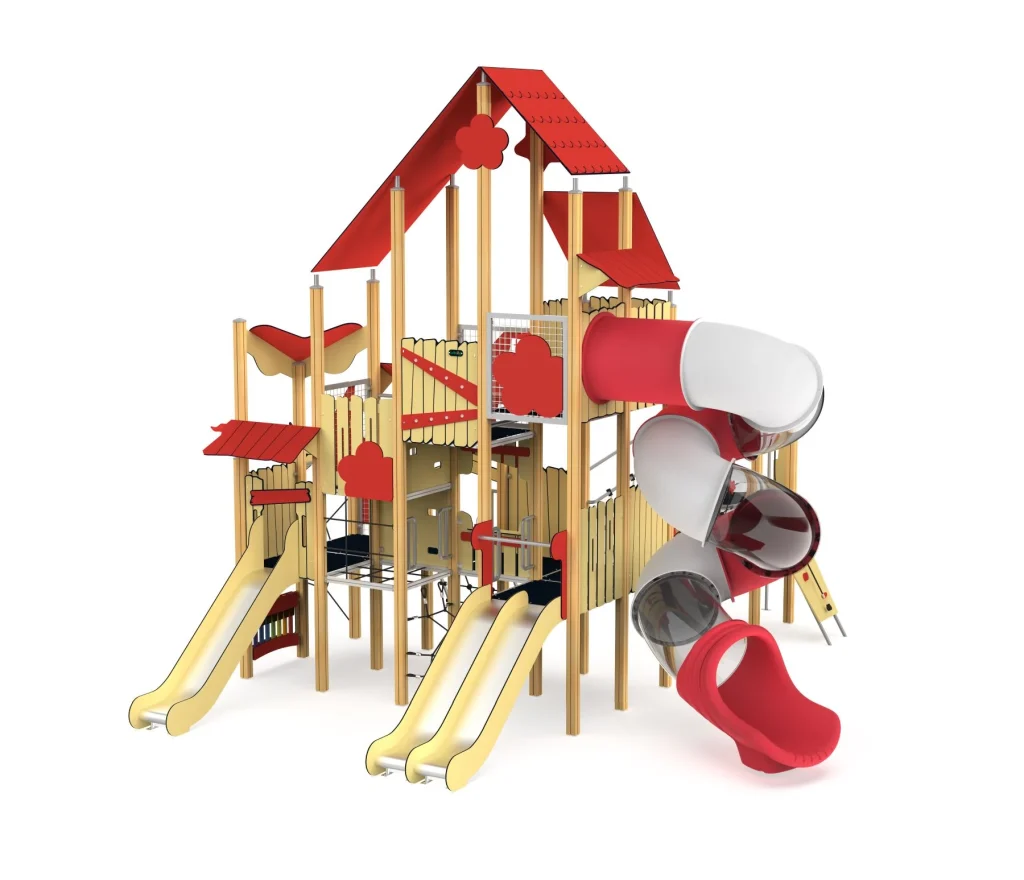
The sweet spot tends to be where multiple play zones meet. A double slide at this kind of intersection pulls kids from different areas and gives them a shared destination. Data from various installations shows throughput improvements around 30% when slides sit at these natural convergence points. Congestion in busy sections drops by roughly 25%.
Before committing to a location, the homework matters. Where do kids enter? Where do they naturally want to go next? Can adults see what’s happening from where they’ll actually stand? A double slide should work like a current in a river, moving children along rather than creating eddies where they get stuck. Capacity analysis helps determine whether one double slide handles the expected volume or whether the space needs more.
Mapping How Kids Actually Move Through Multi-Slide Systems
Children don’t read instruction manuals. They run, they change direction suddenly, they follow their friends. Designing around this reality rather than against it makes everything work better.
When pathways through multi-slide areas feel intuitive, collision points drop dramatically. Some facilities report safety improvements of 40% after redesigning circulation patterns. Kids also play longer because they spend less time figuring out where to go or waiting their turn.
The whole journey matters: approaching the slide, climbing up, sliding down, and getting out of the way. Wide stairs or ramps let multiple kids climb at once without shoving. Clear run-out zones at the bottom prevent the pile-ups that happen when one child finishes and another is already coming down. For playgrounds serving diverse communities, accessible pathways ensure nobody gets left out of the experience.
How do double slide designs impact overall playground capacity and user throughput?
The math is straightforward. Single slides create single-file lines. Double slides let two kids go at once. This parallel capacity can boost throughput by 20% compared to single configurations. Waiting times shrink, frustration drops, and the playground handles more children without feeling overcrowded. Queue management becomes less of a headache when the equipment itself helps distribute the load.
| Obstacle Type | Description | Solution | Anticipated Benefit |
|---|---|---|---|
| Congestion | Overcrowding at slide entry/exit points | Wider platforms, staggered entry, clear pathways | Reduced waiting times, smoother flow |
| Collision Risk | Children running into others at slide exits | Extended run-out zones, clear sightlines, designated exit areas | Improved child safety, fewer incidents |
| Bottlenecks | Narrow access points or single-file queues | Multi-lane access, alternative climbing options, wider stairs | Increased throughput, enhanced play duration |
| Confusion | Unclear routes to/from equipment | Intuitive signage, distinct color coding, logical pathway design | Improved user experience, reduced frustration |
| Accessibility | Barriers for children with mobility challenges | Ramps, transfer stations, inclusive entry/exit points | Expanded user demographics, universal access |
Safety Standards and Material Choices for Heavy Use
High-traffic equipment takes a beating. The combination of constant use, weather exposure, and the unpredictable forces that children generate demands serious attention to both safety compliance and material selection.
International standards like EN 1176 and ASTM F1487 exist for good reasons. They represent accumulated knowledge about what goes wrong and how to prevent it. Following these guidelines rigorously, along with choosing the right materials, can reduce accident rates by around 15%.
Material selection for outdoor structures balances several competing demands. Slide surfaces need low friction for a good ride but enough grip to prevent uncontrolled speed. High-density polyethylene handles UV exposure well and resists wear. Steel components need galvanization or stainless grades to fight corrosion. The right choices mean equipment that performs consistently year after year without constant repairs.
| Material Type | Key Properties | Applications (Slides) | Performance in High Traffic | Durability Rating |
|---|---|---|---|---|
| HDPE | UV-resistant, low friction, impact absorbing | Slide surfaces, panels | Excellent, minimal wear | High |
| Stainless Steel | High strength, corrosion-resistant, smooth | Slide surfaces, fasteners | Very Good, durable | Very High |
| Galvanized Steel | Structural support, weather-resistant | Support frames, platforms | Excellent, robust | High |
| LLDPE | Flexible, impact-resistant, color retention | Rotational molded slides | Good, resilient | Medium-High |
Making Double Slides Work for Everyone
A playground that only works for some kids isn’t really doing its job. Accessibility built into the design from the start creates spaces where children of different abilities play together rather than separately.
Following ADA guidelines and universal design principles opens the playground to a wider community. Facilities that prioritize accessibility often see user demographics expand by 20%, with corresponding increases in overall satisfaction. The investment pays off in both social value and practical utilization.
Ramps and transfer stations let children who use mobility devices access elevated platforms. Wider entry points accommodate different body types and movement patterns. Sensory considerations ensure the experience engages children with various processing needs. When these elements integrate smoothly, the playground becomes a place where different kids can actually interact and play together.
What are the key safety considerations for integrating multiple slides into a playground layout?
Several factors demand attention when multiple slides share a space. Each slide needs adequate safety zones, particularly at exits where children are moving fast and may not be watching where they’re going. Run-out areas should be long enough for kids to slow down naturally. Fall heights must match the impact attenuation provided by the surfacing beneath. Sightlines matter too. Adults need to see what’s happening without having to constantly reposition themselves.
Keeping Things Running Over the Long Haul
Smart design pays dividends for years. Equipment that handles traffic well wears more evenly and needs less intervention. Facilities with well-designed layouts often see maintenance costs drop by 10-15% compared to poorly planned installations.
Thinking about the full lifecycle during design prevents expensive problems later. Vandalism-resistant features reduce repair frequency. Materials chosen for local climate conditions hold up better than generic selections. When traffic flows smoothly, individual components don’t bear disproportionate stress. The result is equipment that lasts longer and costs less to maintain.
Can optimized traffic flow in playgrounds reduce maintenance and operational costs?
The connection is direct. Congestion concentrates wear on specific components. Smooth flow distributes use more evenly across the equipment. This translates to fewer repairs, less frequent deep cleaning, and longer intervals between major maintenance. The financial case for thoughtful design becomes clear when you compare maintenance records between well-planned and poorly-planned installations.
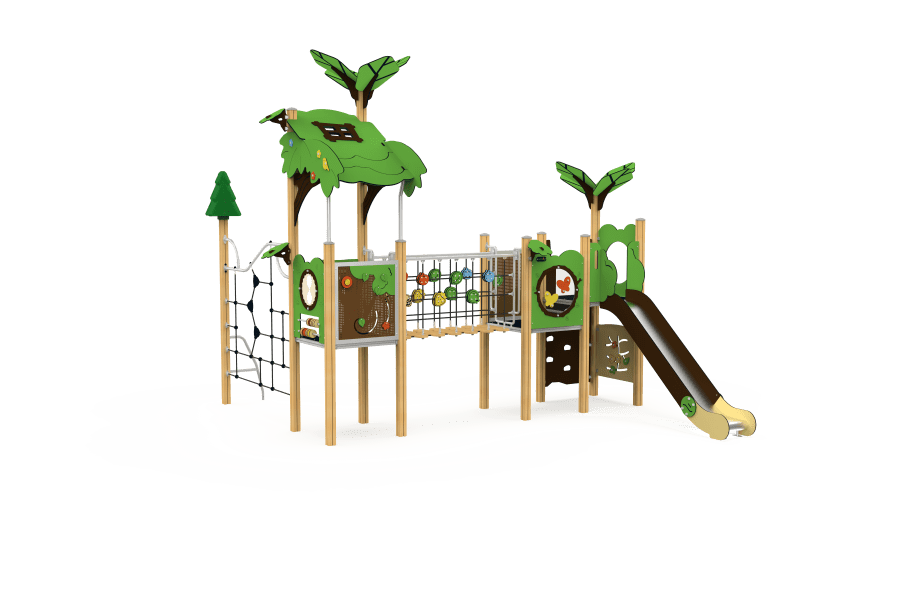
Common Questions About Double Slide Playground Design
What are the primary benefits of incorporating double slides into a playground design for traffic flow?
Two kids sliding at once means twice the capacity without twice the footprint. Lines move faster. Congestion at entry points decreases. The playground handles more children while feeling less crowded. Kids spend more time playing and less time waiting, which is the whole point.
How does Suzhou LvDong ensure the safety and durability of its double slide playground equipment?
Suzhou LvDong Amusement Equipment Co.,Ltd. operates under a standardized quality management system aligned with EN 1176 and ASTM F1487 requirements. The company’s 10,000+ square meter production facility uses advanced manufacturing processes and premium materials selected specifically for unpowered amusement applications. This combination of standards compliance and material quality produces equipment built for sustained high-traffic use.
Can double slide playground designs be customized for specific site constraints or themes?
Customization is standard practice. Suzhou LvDong’s R&D and design capabilities allow adaptation to specific site dimensions, thematic requirements, and user demographics. The company’s full-service approach covers everything from initial concept through installation, ensuring that traffic flow optimization and play value work within whatever parameters a project presents.
What is the typical lifespan and maintenance requirement for an optimized double slide playground?
Equipment from Suzhou LvDong typically performs well for 10-15 years with appropriate installation and routine maintenance. Durable materials and designs that minimize stress concentrations reduce maintenance frequency. Lower operational costs over the equipment’s life reflect the value of investing in quality design and construction upfront.
Partner with Suzhou LvDong Amusement Equipment for Your Next Project
Suzhou LvDong Amusement Equipment Co.,Ltd. brings over a decade of experience and more than 1,500 completed projects to playground design challenges. The company’s integrated capabilities span R&D, design, production, and installation, providing a single source for double slide playgrounds that deliver on traffic flow, safety, and lasting play value. Reach out to discuss how your recreational vision can become a high-performance reality. WHATSAPP:+8613915684545 | [email protected]