Buying commercial playground equipment means committing serious money to something that has to work safely for years. The contract you sign determines whether that investment pays off or turns into a headache. Most buyers focus on the equipment itself and treat the paperwork as an afterthought. That approach leaves gaps that cost money later. A well-structured agreement protects you when things go wrong, keeps the project on schedule, and gives you leverage if the supplier underperforms. The clauses covered here represent what experienced buyers negotiate before signing anything.
What Makes Playground Procurement Contracts Different
Commercial playground equipment purchases carry weight that standard equipment orders do not. The financial commitment is substantial, but the operational implications stretch further. Playgrounds serve children. Safety failures create liability exposure that can dwarf the original purchase price. These realities make contract structure matter more than it does for most B2B transactions.
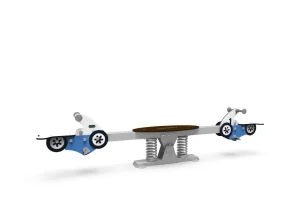
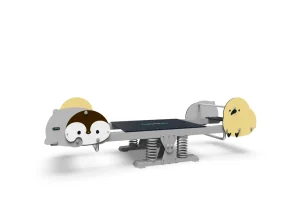
Effective negotiation starts with knowing exactly what you need. If the project calls for a Multi Player Playground Spinning Wheel or a Multi Person Playground Seesaw, those specifications belong in the contract with enough detail that both parties understand what “delivered as agreed” actually means. Vague language creates room for interpretation, and interpretation favors whoever has less to lose.
The contract defines who does what, when they do it, and what happens if they fail. Without that clarity, buyers absorb risks they never intended to accept. Suzhou LvDong Amusement Equipment Co., Ltd. has worked through enough procurement cycles over the past decade to know where these agreements typically break down. The patterns repeat across projects regardless of scale.
Warranty and Liability Provisions That Actually Protect You
Warranty clauses look straightforward until something fails. The language matters. A warranty covering “materials and workmanship” sounds comprehensive, but it may exclude damage from normal use, environmental exposure, or installation errors. Structural components on commercial playground equipment should carry warranty periods of five years or longer. Moving parts and wear surfaces may have shorter coverage, but the terms should be explicit.
Products like Spring Playground Equipment and Single Player Playground Spinner face constant stress from repeated use. The materials and construction methods determine how long they last, but the warranty determines who pays when they do not. Durable, wear-resistant materials help, but contract language provides the actual protection.
Liability provisions address what happens when equipment causes harm. Indemnification clauses shift responsibility for defect-related claims to the supplier. Without these clauses, a buyer could face legal exposure for problems originating in the factory. The contract should specify that the supplier carries adequate insurance and will defend the buyer against claims arising from manufacturing defects or design flaws.
How can I ensure the supplier meets safety and quality standards in the contract?
The contract must name specific certifications. EN 1176 applies to European markets. ASTM F1487 covers North American requirements. These are not interchangeable, and “meets international standards” is too vague to enforce. The agreement should require the supplier to provide certification documents for all equipment components, including materials used in Playground Equipment Slides.
Quality assurance clauses go beyond certifications. They should detail inspection protocols at the factory, material specifications with acceptable tolerances, and testing procedures before shipment. Buyers with significant orders should consider factory audits. Reviewing the supplier’s quality management system documentation reveals whether their processes match their claims.
Delivery, Installation, and Acceptance Terms That Prevent Disputes
Projects fail on timing as often as they fail on quality. The contract should specify delivery dates with enough precision that delays become measurable. Penalties for late delivery give suppliers incentive to meet deadlines and give buyers compensation when they do not.
Installation responsibilities need explicit assignment. Site preparation typically falls to the buyer, but the contract should confirm this. Installation methods, supervision requirements, and post-installation inspections belong in the agreement. Equipment like a Playground with Tunnel Slide requires proper assembly to function safely. If the supplier handles installation, the contract should specify who supervises the work and what qualifications the installation team must have.
Acceptance testing happens before final payment. The contract should define what “acceptance” means in measurable terms. Safety checks, functional assessments, and visual inspections all have their place. Disputes often arise when buyers expect one standard and suppliers deliver to another. Written acceptance criteria eliminate that ambiguity.
Payment Structures That Manage Financial Risk
Payment timing affects risk distribution. Front-loaded payments favor suppliers. Back-loaded payments favor buyers. The structure should reflect the actual risk at each project stage.
Milestone-based payments link money to progress. A typical structure might include a deposit at contract signing, payment when materials arrive at the factory, payment when production completes, payment upon delivery, and final payment after successful installation and acceptance. Each payment should correspond to something verifiable.
| Payment Milestone | Description | Typical Percentage | Risk Mitigation |
|---|---|---|---|
| Initial Deposit | Upon contract signing | 10-30% | Secures commitment |
| Material Procurement | Upon material acquisition/production start | 20-40% | Verifies progress |
| Factory Completion | Upon equipment completion at factory | 20-30% | Confirms readiness for shipment |
| Delivery | Upon equipment arrival at site | 10-20% | Ensures logistics are met |
| Final Acceptance | After successful installation and testing | 5-10% | Verifies full compliance |
Performance bonds add another layer of protection. A bond from a reputable financial institution guarantees that the supplier will fulfill their obligations. If they fail, the bond covers the buyer’s losses. Letters of credit serve a similar function for international transactions. The contract should specify financial penalties for non-compliance, giving the supplier concrete reasons to perform.
Dispute Resolution and Force Majeure Provisions
Disagreements happen. The contract should establish how they get resolved before they occur. Mediation offers a structured conversation with a neutral third party. Arbitration provides a binding decision without full litigation. Both cost less and move faster than court proceedings.
The contract must specify governing law and jurisdiction. International transactions complicate this. A supplier in China and a buyer in Germany need to agree in advance which country’s laws apply and where disputes will be heard. Without this clarity, the first dispute becomes a fight about where to fight.
Force majeure clauses address events outside anyone’s control. Natural disasters, government actions, and similar disruptions can make performance impossible. These clauses protect both parties from liability when circumstances genuinely prevent fulfillment. The language should define what qualifies as force majeure and what obligations remain during such events.
What are the common pitfalls to avoid in playground equipment purchase agreements?
Vague specifications create the most problems. “Commercial-grade playground equipment” means different things to different people. The contract should describe exactly what gets delivered, including dimensions, materials, colors, and safety features.
Inadequate warranty coverage leaves buyers exposed. Short warranty periods or narrow coverage terms shift risk from supplier to buyer. Installation responsibilities often get overlooked entirely, leading to disputes about who handles site preparation, assembly, and inspection.
Missing acceptance criteria cause arguments at project completion. If the contract does not define what “acceptable” means, both parties will have different interpretations. Safety certifications and performance bonds sometimes get omitted from contracts, leaving buyers without recourse when problems emerge.
Post-Installation Support and Maintenance Agreements
Playground equipment requires ongoing attention. The purchase contract should address what happens after installation, or a separate maintenance agreement should accompany it.
Preventive maintenance schedules keep equipment safe and extend its useful life. The agreement should specify inspection intervals, required maintenance tasks, and who performs them. Emergency repair services matter when equipment fails unexpectedly. Response time guarantees ensure that broken equipment does not stay broken.
Spare parts availability becomes critical as equipment ages. Contracts should guarantee access to replacement components for a defined period, typically matching or exceeding the warranty term. Equipment from a Playground Spinner Manufacturer OEM may have proprietary components that only the original manufacturer can supply. Without contractual guarantees, buyers risk being unable to repair equipment they own.
A comprehensive maintenance contract protects structural integrity and maintains compliance with safety standards throughout the equipment’s operational life.
What are the essential legal protections when buying commercial playground equipment?
The essential protections work together. Clear warranty and liability clauses establish who bears responsibility for defects. Adherence to international safety standards like EN 1176 and ASTM F1487 ensures the equipment meets recognized safety requirements. Detailed payment and performance guarantees protect against supplier failure.
Delivery, installation, and acceptance terms prevent disputes about project completion. Dispute resolution mechanisms provide structured paths through disagreements. Force majeure provisions address circumstances beyond anyone’s control. Each element addresses a different risk, and gaps in any area create exposure.
Frequently Asked Questions About Commercial Playground Contracts
What specific safety certifications should be referenced in a commercial playground equipment contract?
ASTM F1487 governs playground equipment for public use in North America. EN 1176 covers playground equipment and surfacing in Europe. The contract should reference whichever standard applies to your jurisdiction, or both if equipment will be used in multiple markets. Local regulatory compliance may impose additional requirements beyond these international standards. The supplier should provide valid certification documents for all components, and the contract should make this provision mandatory.
How do payment terms impact the overall risk of purchasing outdoor playground equipment?
Payment structure directly affects who bears financial risk at each project stage. Milestone-based payments tied to verifiable progress protect buyers by ensuring suppliers deliver before receiving full payment. Front-loaded payment schedules increase buyer risk because money changes hands before work completes. Performance bonds and letters of credit provide additional protection against supplier non-performance or financial instability. The contract should specify what happens to payments already made if the supplier fails to complete the project.
Why is a detailed installation agreement crucial for commercial playground projects?
Improper installation compromises safety, reduces equipment lifespan, and may void warranty coverage. The installation agreement should assign clear responsibilities for site preparation, specify installation methods that comply with manufacturer requirements, establish timelines, define supervision requirements, and mandate post-installation inspections. Without this detail, disputes arise about who caused problems that emerge after installation. A clear agreement protects users by ensuring proper assembly and protects buyers by establishing accountability.
Partner with Suzhou LvDong for Your Playground Project
Suzhou LvDong Amusement Equipment Co., Ltd. provides unpowered amusement equipment backed by integrated support from development through after-sales service. More than a decade of industry experience has taught us where playground procurement goes wrong and how to prevent it. Our full-industry-chain service model means buyers work with one partner from initial design through ongoing maintenance.
Contact us for a consultation on your next project.
WHATSAPP: +8613915684545
[email protected]