International Playground Equipment Procurement
Sourcing playground equipment across borders feels straightforward until you’re knee-deep in customs paperwork at 2 AM, wondering why your shipment is stuck in Rotterdam. The reality is that international procurement sits at the intersection of safety engineering, trade law, and logistics choreography. Get one element wrong, and you’re looking at delayed openings, compliance headaches, or worse, equipment that doesn’t meet local safety requirements. This guide walks through the entire process, from initial planning through installation, with particular attention to the details that trip up even experienced buyers.
Strategic Planning and Needs Assessment for Global Sourcing
The procurement process lives or dies in the planning phase. Rushing past this stage to get quotes faster almost always costs more time later. A thorough needs assessment establishes what you actually need versus what looks appealing in a catalog, sets realistic budget expectations, and surfaces regulatory requirements before they become expensive surprises.
Defining Project Scope and International Safety Standards
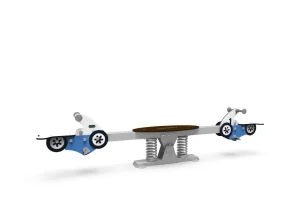
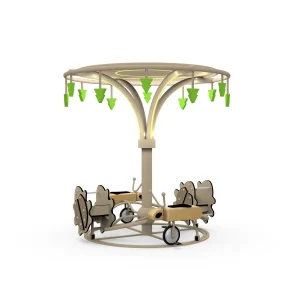
Start with specifics. What age groups will use this equipment? What’s the available footprint? Are you looking at Multi Player Playground Spinning Wheel installations for older children or Spring Playground Equipment for toddler areas? These decisions cascade into everything else.
Safety standards aren’t optional considerations. They’re legal requirements that shape every aspect of equipment design. ASTM F1487 governs public playgrounds in the United States, specifying fall zone dimensions, entrapment prevention measures, and material requirements. EN 1176 serves the same function across Europe but approaches certain hazards differently. Equipment designed for one standard may require modifications for another.
| Standard | Region | Focus Areas | Key Requirements |
|---|---|---|---|
| ASTM F1487 | USA | Public Playgrounds | Material safety, structural integrity, fall zones, entrapment prevention |
| EN 1176 | Europe | Public Playgrounds | Stability, strength, entrapment, fall height, material toxicity |
| GB/T 34272-2017 | China | Public Playgrounds | General safety, materials, installation, maintenance |
| ISO 9001 | Global | Quality Management | Consistent product quality, customer satisfaction |
| ISO 14001 | Global | Environmental Mgmt. | Environmental impact reduction, sustainability |
The materials question deserves early attention. Sustainable playground materials aren’t just marketing language. They affect long-term maintenance costs, replacement cycles, and increasingly, municipal procurement requirements. Some jurisdictions now mandate recycled content percentages or restrict certain chemical treatments.
Identifying and Vetting International Playground Equipment Suppliers
Finding suppliers is easy. Finding reliable ones requires systematic evaluation. The distance involved in international transactions amplifies the consequences of poor supplier selection. You can’t easily drive over to inspect a problem or have a face-to-face conversation when something goes wrong.
How to Ensure Quality Control When Sourcing Playground Equipment Internationally
Quality control for international playground equipment procurement requires building verification into every stage rather than hoping the final product arrives correctly. Third-party inspection services provide independent eyes at the factory. These inspectors can verify material specifications, check welding quality, confirm dimensions, and document production processes.
Factory audits go deeper than product inspections. They examine whether a manufacturer has the systems in place to produce consistent quality over time. Does the facility have documented quality procedures? How do they handle non-conforming materials? What testing equipment do they maintain?
Sample testing before mass production catches problems when they’re cheap to fix. Request production samples of critical components. Test them against specifications. Verify that powder coating adhesion meets standards, that steel thickness matches drawings, that plastic components pass UV degradation testing.
To further enhance your understanding of supplier evaluation, consider exploring 《Essential Checklist for Playground Equipment Safety Test Reports》.
Navigating International Contracts and Payment Terms
Contract negotiations for international playground equipment procurement require attention to details that domestic transactions often take for granted. Which country’s laws govern disputes? How are currency fluctuations handled? What happens if shipping delays push delivery past a critical deadline?
Incoterms define exactly where responsibility transfers from seller to buyer. Misunderstanding these terms creates situations where nobody insures goods during critical transit phases or where unexpected port charges appear because both parties assumed the other was handling them.
| Incoterm | Seller Responsibilities | Buyer Responsibilities | Common Use Case |
|---|---|---|---|
| EXW (Ex Works) | Minimal (goods at factory) | Max (all transport, customs) | Buyer has own logistics |
| FOB (Free On Board) | To loading on vessel | From vessel onward | Sea transport, buyer controls shipping |
| CIF (Cost, Insurance, Freight) | To port of destination (incl. insurance) | From port of destination | Sea transport, seller manages shipping |
| DDP (Delivered Duty Paid) | Max (to buyer’s door, incl. duties) | Minimal (receive goods) | Buyer wants full service |
Payment structures balance risk between parties. Letters of Credit provide security for both sides but add banking costs and complexity. Staged payments tied to production milestones give buyers leverage while providing suppliers with working capital. The right structure depends on relationship history, order size, and risk tolerance.
International Shipping, Logistics, and Customs Clearance
Playground equipment presents specific shipping challenges. Components are often bulky relative to their weight, making container utilization tricky. Steel structures can’t be compressed. Plastic slides take up significant volume. Efficient loading requires planning equipment dimensions against container specifications.
What Are the Typical Lead Times and Logistical Challenges for International Playground Equipment Shipments
Realistic lead times for international playground equipment shipments run 4-8 weeks from factory departure to delivery, though this varies considerably. Manufacturing time adds another 4-12 weeks depending on order complexity and supplier capacity. Total project timelines of 3-6 months from order to installation are common.
Customs clearance creates the most unpredictable delays. Documentation errors, tariff classification disputes, and inspection holds can add days or weeks. Pre-clearing documentation with customs brokers before shipment arrival reduces this uncertainty. Having HS codes confirmed in advance prevents classification arguments at the border.
Port congestion has become a persistent factor rather than an occasional disruption. Building buffer time into project schedules acknowledges this reality. Expedited shipping options exist for critical components but at significant cost premiums.
For insights into managing large-scale equipment logistics, refer to 《Large Playground Slide Transport and Crane Planning》.
Installation, After-Sales Support, and Project Completion
Equipment arriving at the site represents the beginning of the final phase, not the end of the project. Installation quality affects both safety and equipment longevity. Improper anchoring, incorrect fall surfacing depths, or misaligned components create hazards that may not become apparent until something fails.
International suppliers handle installation support differently. Some provide on-site supervision teams. Others offer detailed installation manuals and remote technical support. A few train local contractors through certification programs. Understanding what support comes with the purchase, and what costs extra, prevents surprises during installation.
Warranty terms for international playground equipment procurement deserve careful review. What’s covered? For how long? Who pays shipping on warranty replacement parts? How quickly can replacement components arrive? A generous-sounding warranty means little if getting a replacement part takes three months.
Maintenance documentation should arrive with the equipment. Clear guidelines on inspection intervals, lubrication requirements, wear indicators, and replacement part specifications support long-term equipment performance.
Why Safety Certification Matters for International Playground Equipment
Safety certification represents more than regulatory compliance. It’s evidence that equipment has been designed and tested against known hazard patterns. Standards like ASTM F1487 and EN 1176 evolved from decades of injury data, incorporating lessons from real-world failures.
The legal landscape around playground safety has grown increasingly stringent. Non-compliant equipment exposes project owners to liability that insurance may not cover. Municipal procurement policies increasingly require documented certification as a condition of purchase approval.
Beyond legal requirements, certification provides practical assurance. Certified equipment has passed testing for structural loads, entrapment hazards, fall impact attenuation, and material safety. These tests catch problems that visual inspection misses.
Suzhou LvDong maintains EN 1176 and GB/T 34272-2017 certifications across our product lines. This dual certification reflects the reality that our equipment ships to diverse markets with different regulatory frameworks. The certification process also drives internal quality improvements, as meeting stringent standards requires disciplined manufacturing processes.
Partnering for Playground Excellence
International playground equipment procurement rewards preparation and penalizes shortcuts. The suppliers, logistics partners, and installation teams you choose determine whether projects succeed smoothly or stumble through preventable problems.
Suzhou LvDong Amusement Equipment Co., Ltd. brings over a decade of experience to these challenges. Our quality management system supports consistent production across order sizes. More than 1,500 completed projects demonstrate our ability to deliver unpowered amusement equipment that meets international standards and client expectations.
We offer integrated solutions from initial design consultation through after-sales support. Our team understands the documentation requirements, shipping logistics, and installation considerations that international projects demand.
Contact us for your next international playground equipment procurement project. WHATSAPP:+8613915684545 | [email protected]
Frequently Asked Questions About International Playground Procurement
What are the essential safety certifications for playground equipment in different countries?
North American projects require ASTM F1487 compliance. European installations need EN 1176 certification. China follows GB/T 34272-2017 standards. Australia uses AS 4685, which closely mirrors EN 1176. Many countries without their own standards adopt EN 1176 or ASTM F1487 as reference documents. Always verify current requirements with local authorities, as regulations update periodically.
How can I ensure quality control when sourcing playground equipment internationally?
Build verification into the procurement process rather than relying on final inspection alone. Conduct supplier audits before placing orders. Engage third-party inspectors during production. Test material samples against specifications. Review production documentation. Pre-shipment inspection catches problems before they become expensive to fix.
What are the typical lead times and logistical challenges for international playground equipment shipments?
Manufacturing typically requires 4-12 weeks depending on order complexity. Ocean shipping adds 4-8 weeks. Customs clearance can take days or weeks depending on documentation accuracy and inspection requirements. Total timelines of 3-6 months from order to delivery are realistic. Port congestion, documentation errors, and seasonal shipping demand create the most common delays.
What are the common payment terms and financial risks in international playground equipment procurement?
Letters of Credit provide security for both parties but add banking costs. Staged payments tied to production milestones balance risk and cash flow. Wire transfers offer simplicity but concentrate risk. Currency fluctuation can significantly affect final costs on large orders. Contract terms should specify which party bears exchange rate risk and how disputes are resolved.
How does Suzhou LvDong ensure compliance with international playground equipment standards?
Our quality management system incorporates EN 1176 and GB/T 34272-2017 requirements into design and production processes. Products including the Multi Person Playground Seesaw and Single Player Playground Spinner undergo testing against these standards. Our R&D team monitors regulatory updates across target markets. Documentation packages include certification records and test reports for customs and regulatory review.