Hospital playgrounds sit at an unusual intersection. They need to feel like genuine play spaces while operating under constraints that would make most playground designers pause. The children using them might be recovering from surgery, managing chronic conditions, or simply waiting through long treatment days. What works in a city park often fails here, not because the equipment is flawed, but because the context demands something different.
Why Standard Playground Thinking Falls Short in Healthcare Settings
Play matters for pediatric patients. Research consistently shows it reduces anxiety, supports emotional processing, and can even accelerate physical recovery. But hospital environments introduce complications that public playgrounds never face. Children arrive with compromised immune systems, limited mobility, or heightened sensitivity to stimulation. The equipment serving them must account for all of this simultaneously.
Safety standards like ASTM F1487 and GB/T 34272-2017 provide the foundation, but meeting minimum requirements isn’t enough here. Impact-absorbing surfaces need to accommodate children who might be unsteady from medication. Structures must eliminate pinch points entirely, not just reduce them. Materials cannot off-gas or leach chemicals that healthy children might tolerate without issue.
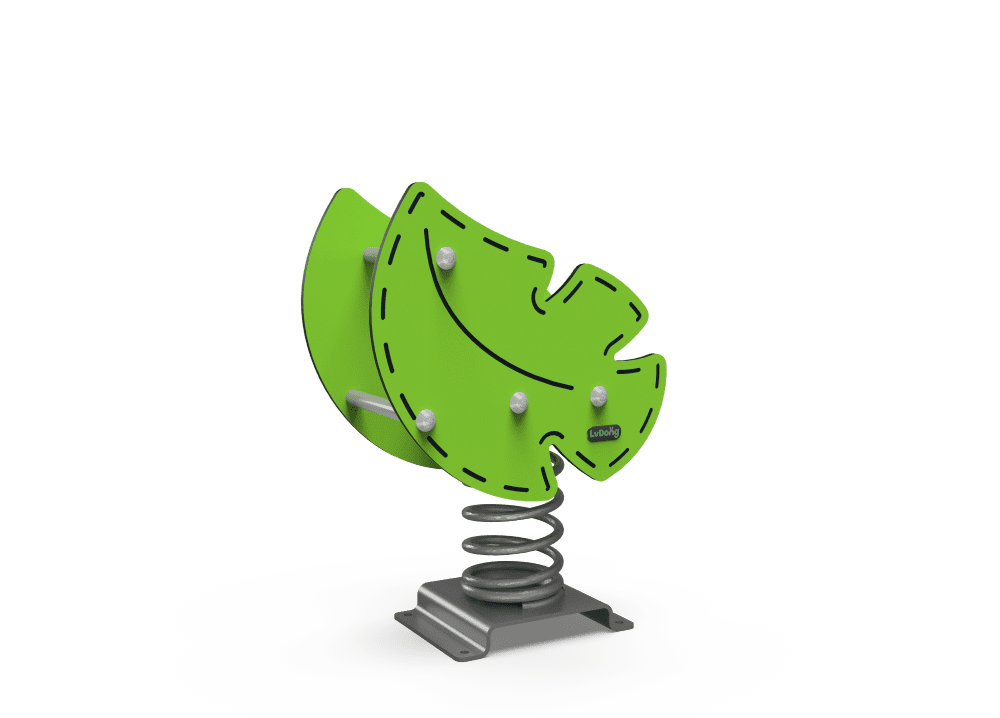
Spring playground equipment illustrates this calibration well. The high-strength steel springs allow controlled rocking motions with fall heights typically around 50 cm. That low height matters when a child’s balance or reaction time might be compromised. ADA compliance becomes essential rather than optional, ensuring children using wheelchairs or walkers can participate alongside their peers.
| Standard Body | Focus Area | Key Requirements |
|---|---|---|
| ASTM F1487 | Public Playground Safety | Impact attenuation, structural integrity, entrapment prevention |
| CPSC Handbook | Public Playground Safety | Equipment spacing, surfacing, maintenance |
| EN 1176 | European Playground Safety | General safety requirements, installation, inspection |
| ADA Standards | Accessibility | Clearances, accessible routes, transfer systems |
For further insights into ensuring the longevity and safety of playground installations, consider reading 《Playground Equipment Warranty Comparison 1 3 or 5 Years》.
Sound Matters More Than Most Realize
Walk through a typical children’s hospital and you notice the noise immediately. Monitors beeping, carts rolling, conversations overlapping. Adding a clanging metal playground to this environment would be counterproductive at best. High-decibel play can trigger stress responses in children already dealing with sensory overload, and staff working long shifts in these spaces suffer too.
The material choices make the difference. Metal components, especially uncoated ones, generate noise with every interaction. High-density polyethylene produces far less sound. Soft-play foam elements approach silence. Rubber surfacing absorbs impact noise that would otherwise echo through corridors.
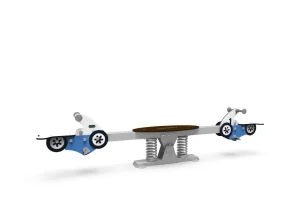
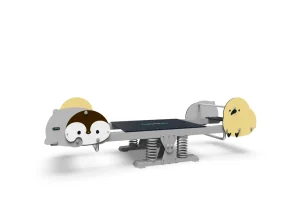
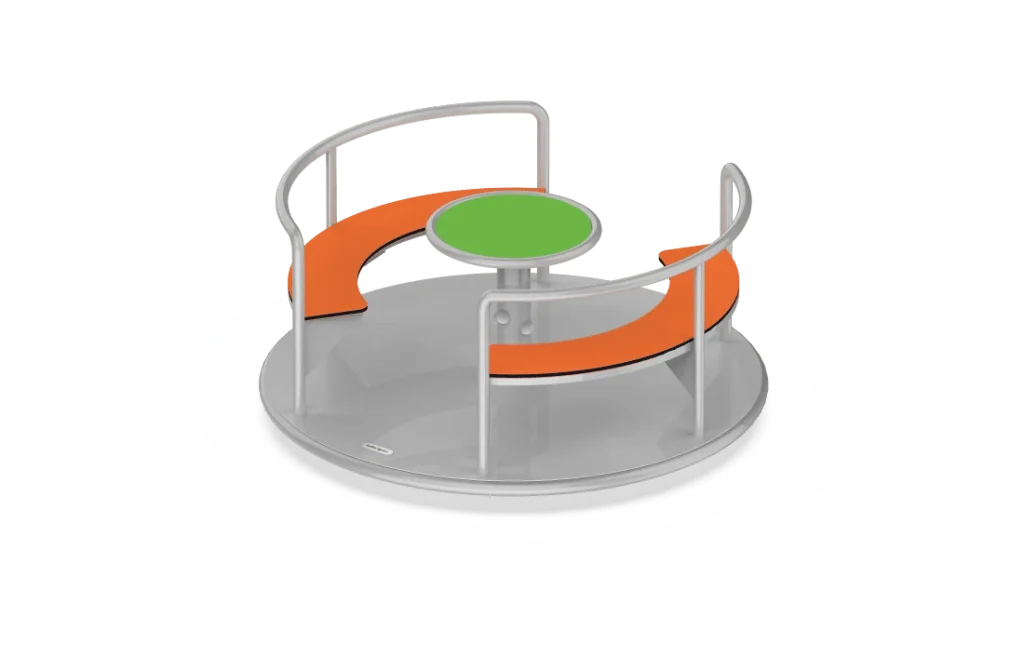
Equipment design plays an equally important role. Playground Spinner Manufacturer OEM products engineered for smooth, controlled rotation operate quietly compared to standard spinning equipment. The same principle applies to Playground Seesaw Manufacturer OEM designs, where dampened motion reduces the characteristic squeaking and thumping of traditional seesaws.
Sensory play equipment offers another path forward. Activity panels, tactile walls, and manipulative elements engage children without generating the noise associated with gross motor play. These options work particularly well in waiting areas where families spend hours at a time.
| Material Type | Typical Noise Level | Suitability for Hospitals |
|---|---|---|
| Metal (uncoated) | High | Low (due to noise) |
| HDPE Plastic | Low-Medium | High |
| Soft-play Foam | Very Low | High |
| Wood (treated) | Medium | Medium-High |
| Rubber Surfacing | Very Low | High |
Infection Control Shapes Every Design Decision
Healthcare-associated infections represent a serious concern in pediatric settings. Children with weakened immune systems face real risk from pathogens that healthy kids might encounter without consequence. Playground equipment in these environments must support rigorous cleaning protocols, not complicate them.
Non-porous materials form the foundation of cleanable design. High-density polyethylene resists bacterial adhesion and withstands repeated exposure to hospital-grade disinfectants without degrading. Smooth surfaces allow cleaning solutions to reach every point of contact. Textured or patterned surfaces might look more interesting, but they create hiding spots for microorganisms.
Manufacturing details matter as much as material selection. Joints and seams can trap moisture and organic matter if not properly sealed. Fasteners that sit flush with surfaces clean more easily than protruding hardware. Designs that minimize crevices and hard-to-reach areas make maintenance staff’s jobs possible rather than frustrating.
How do hospitals ensure playground equipment remains hygienic and easily cleanable?
The answer involves material properties, design features, and consistent protocols working together. Equipment constructed from non-porous materials like HDPE resists bacterial adhesion and tolerates common disinfectants without surface damage. Designs avoid intricate patterns or deep textures that trap contamination. With these foundations in place, daily wipe-downs and weekly deep cleaning actually accomplish what they’re supposed to.
| Step | Action | Frequency | Notes |
|---|---|---|---|
| 1 | Wipe down all surfaces | Daily | Use hospital-grade disinfectant |
| 2 | Deep clean and sanitize | Weekly | Dismantle accessible parts if necessary |
| 3 | Inspect for wear and damage | Weekly | Repair or replace immediately |
| 4 | Refer to manufacturer guidelines | Ongoing | Adhere to specific product care instructions |
To understand more about material choices that enhance safety and durability, explore 《Playground Slide Materials LLDPE vs 304 Steel Performance》.
Building for Real-World Hospital Conditions
Hospital playgrounds see constant use. Children cycle through waiting areas throughout the day. Siblings accompany patients during long appointments. Staff sometimes use these spaces for therapeutic activities. Equipment that cannot handle this volume becomes a maintenance burden and eventually a safety concern.
Durability in high-traffic areas requires materials and construction methods designed for institutional use. Consumer-grade equipment fails quickly under these conditions. The investment in robust construction pays off through reduced replacement cycles and lower lifetime costs.
Accessibility extends beyond meeting ADA minimums. Children with IV poles need space to maneuver. Wheelchair users benefit from transfer platforms at appropriate heights. Children with limited grip strength need handholds designed for their capabilities. These considerations shape equipment selection and layout planning.
The therapeutic dimension deserves attention too. Play that encourages movement supports physical recovery. Social play equipment like multi-person Playground Seesaw Manufacturer OEM and Multi Player Playground Spinning Wheel creates opportunities for interaction that isolated children often lack. Sensory elements can provide calming input for children experiencing anxiety or overstimulation.
!Example of an ADA-compliant hospital playground
## Finding the Right Manufacturing Partner
Hospital playground projects require manufacturers who understand healthcare constraints. Standard playground companies may produce excellent equipment for parks and schools while lacking experience with infection control requirements or noise considerations specific to clinical environments.
Suzhou LvDong Amusement Equipment Co., Ltd. brings over a decade of experience to these specialized applications. The integrated approach covering R&D, design, production, installation, and after-sales support means hospitals work with a single partner throughout the project lifecycle. Custom designs address specific spatial constraints and patient population needs rather than forcing facilities to adapt to catalog options.
Quality management systems ensure consistency across production. Every piece of equipment, from a Single Player Playground Spinner to complex multi-user structures, undergoes testing and certification verification before delivery.
What makes playground equipment safe for hospital use?
Hospital-appropriate equipment must satisfy multiple overlapping requirements. ASTM F1487 compliance addresses structural safety and fall protection. Material testing confirms non-toxic composition and resistance to degradation from cleaning chemicals. Design review eliminates entrapment hazards and sharp edges. ADA compliance ensures accessibility. EN 1176 and GB/T 34272-2017 certifications provide additional verification for international projects.
| Criteria | Description | LvDong’s Approach |
|---|---|---|
| Certifications | Compliance with international safety standards | EN 1176, GB/T 34272-2017 |
| Material Safety | Non-toxic, durable, and easy-to-clean materials | HDPE, specialized composites |
| Design Customization | Tailored to specific hospital needs and space | Bespoke designs for optimal fit |
| Support | Full lifecycle service from design to maintenance | R&D, design, production, installation, after-sales |
| Experience | Proven track record in specialized playground solutions | Over a decade in unpowered amusement equipment |
For those considering the entire playground layout, exploring 《Outdoor Playground Set Layout Strategic Design for Optimal Play》 can provide valuable insights.
Start Your Hospital Playground Project
Suzhou LvDong Amusement Equipment Co., Ltd. specializes in safe, quiet, and cleanable playground solutions designed specifically for healthcare facilities. Our integrated services cover conceptual design through comprehensive after-sales support. Contact us for a personalized consultation. WHATSAPP:+8613915684545 | [email protected]
FAQ
What are the essential safety standards for hospital playground equipment?
Hospital playground equipment must comply with ASTM F1487 and CPSC Handbook guidelines as baseline requirements. Beyond these, equipment needs non-toxic materials that won’t interact with medications or compromise immune systems, impact-absorbing surfaces calibrated for children with reduced physical resilience, and complete elimination of pinch points and entrapment hazards. ADA compliance ensures children with mobility limitations can participate. Suzhou LvDong equipment meets or exceeds these standards across all product lines.
What types of quiet playground equipment are best suited for a hospital environment to minimize disruption?
Material selection determines noise output more than equipment type. HDPE and specialized composites generate minimal sound during use. Soft-play elements and sensory walls operate nearly silently. Activity panels with tactile or visual interactions engage children without acoustic impact. When motion-based equipment is desired, designs using dampened mechanisms and smooth bearings reduce operational noise significantly compared to standard playground equipment.
How can playground design support patient recovery and well-being in a hospital setting?
Thoughtfully designed play spaces address multiple recovery dimensions. Physical activity maintains strength and coordination during treatment. Social interaction counters the isolation that hospitalization often creates. Sensory experiences can provide calming input for anxious children. The simple presence of a normal childhood activity, play, offers psychological benefit by creating moments that feel separate from medical treatment. Equipment that accommodates varying ability levels ensures all children can participate regardless of their current physical condition.