Watching a child spin until they’re dizzy and laughing captures something essential about childhood play. That moment of controlled chaos, where balance meets momentum, does more than entertain. It builds the neural pathways that help kids navigate space, coordinate movement, and process sensory input. But getting the equipment right matters enormously. The wrong spinner for a three-year-old creates risk instead of reward, and equipment that ignores safety standards puts children in danger. The challenge lies in matching spinning playground equipment to developmental stages while meeting the rigorous safety requirements that govern commercial installations.
How Different Spinner Types Serve Different Play Needs
Spinning playground equipment has evolved well beyond the traditional merry-go-round. Modern unpowered amusement equipment comes in several distinct categories, each engineered for specific play experiences and developmental outcomes.
Multi-player spinning wheels encourage collaborative play. Several children work together to generate and control rotation, learning to coordinate their efforts and negotiate speed. These units feature stable round spinning structures with smooth, controlled movement. The structural design accommodates both standing and seated positions, giving children options based on their comfort and skill level. Multi Player Playground Spinning Wheel models with space cage or windmill themes add imaginative elements that extend play sessions.
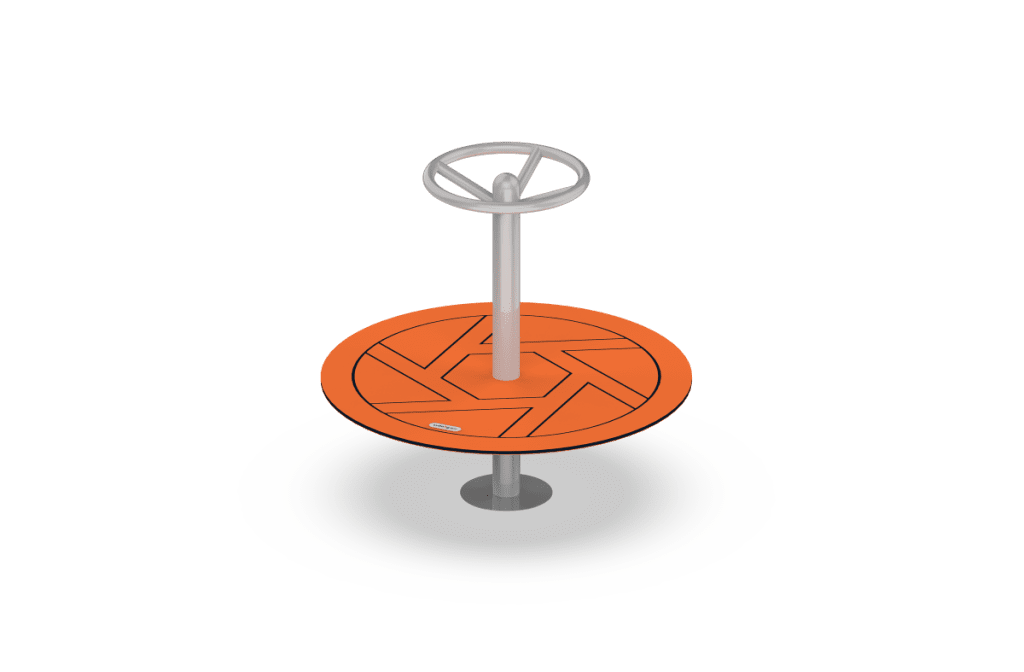
Single-player spinning equipment takes a different approach. These compact units let individual children explore balance and coordination at their own pace. The controlled rocking motions combined with rotation create a manageable challenge for developing vestibular systems. Single Player Playground Spinner designs work well in smaller spaces where multi-user equipment won’t fit.
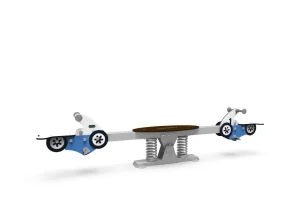
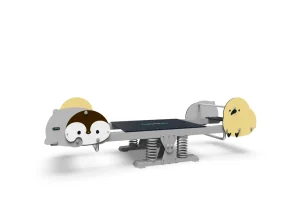
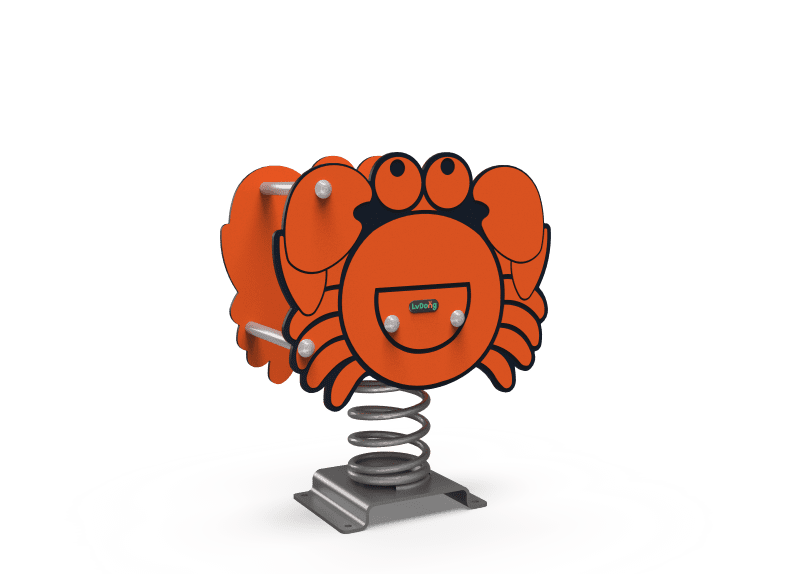
Spring riders occupy an interesting middle ground. While they don’t spin continuously, the rocking motion stimulates similar sensory pathways. The spring mechanism creates predictable movement patterns that younger children can anticipate and control. Spring Playground Equipment provides a lower-risk entry point for children just beginning to explore dynamic movement.
| Spinner Type | Mechanism | Play Benefits | Age Range (Typical) |
|---|---|---|---|
| Multi-Player Spinning Wheel | Central pivot, collaborative rotation | Social interaction, balance, coordination | 2+ to 6+ years |
| Single-Player Spinner | Central pivot, individual rotation/rocking | Balance, coordination, independent play | 2+ years |
| Spring Rider | Spring-based rocking | Balance, sensory development, coordination | 2+ or 3+ years |
These merry-go-round alternatives and inclusive spinner designs serve as valuable sensory play equipment. The rotational play benefits extend across physical, cognitive, and social development domains.
Matching Equipment to Developmental Stages
Age-appropriate selection determines whether spinning playground equipment helps or harms. A five-year-old and a two-year-old experience the same spinner very differently. Their bodies process motion differently, their risk perception varies dramatically, and their physical capabilities set different limits on safe play.
The vestibular system, located in the inner ear, governs balance and spatial orientation. Spinning stimulates this system intensely, which is precisely why children seek it out. That stimulation supports cognitive development play by strengthening the neural connections that help children understand where their bodies are in space. But overstimulation creates problems. Younger children need gentler, slower rotation to gain benefits without becoming overwhelmed or disoriented.
Preschool spinning toys keep heights low and speeds moderate. The equipment accommodates developing motor skills and limited risk assessment capabilities. School playground spinners can incorporate more dynamic movement because older children have better balance, stronger core muscles, and more accurate judgment about their physical limits.
Social dynamics shift with age too. Younger children engage in parallel play, spinning near each other but not necessarily coordinating. Older children use multi-player equipment to practice cooperation, negotiation, and turn-taking. The social interaction playground benefits depend on matching equipment complexity to social development stages.
What types of spinning playground equipment are safest for toddlers?
Toddlers need specific design accommodations. Low-profile spinners minimize fall heights, keeping children close to the ground even if they lose their grip. Enclosed merry-go-rounds prevent toddlers from tumbling out during rotation. This toddler spinning equipment typically features secure seating with backs or sides, gentle rotation mechanisms that limit maximum speed, and smooth surfaces without pinch points. The goal is creating an environment where the vestibular stimulation happens within safe parameters.
Age-Specific Equipment Recommendations
| Age Group | Recommended Spinning Equipment | Key Features |
|---|---|---|
| 2-3 Years | Low-profile spinners, spring riders | Enclosed seating, minimal fall height, gentle rotation |
| 3-5 Years | Multi-player spinning wheels (seated), bucket spinners | Moderate rotation, social interaction focus |
| 5-8 Years | Multi-player spinning wheels (standing), disc spinners | Dynamic movement, balance challenges, increased speed |
| 8+ Years | Advanced multi-user spinners, challenging rotational elements | Higher speeds, complex movements, greater physical demand |
For deeper exploration of developmental considerations, 《Age Appropriate Playground Sets for Child Development》 provides additional guidance.
Safety Standards That Govern Commercial Installations
Commercial playground equipment operates under strict regulatory frameworks. ASTM playground safety standards, particularly ASTM F1487, establish requirements for equipment sold in the United States. EN 1176 playground equipment standards govern European markets. These aren’t suggestions. They’re binding requirements that determine whether equipment can legally be installed in public spaces.
The standards address every aspect of spinner design. Material strength requirements ensure components won’t fail under expected loads. Impact attenuation specifications dictate the surfacing beneath equipment. Entrapment prevention guidelines eliminate gaps where children’s heads, fingers, or clothing could become caught. Stability requirements prevent tipping during vigorous use.
Risk assessment playground procedures identify hazards before installation. This systematic evaluation examines how children will actually use equipment, not just how it’s intended to be used. Children climb on things that weren’t designed for climbing. They use equipment in ways designers never anticipated. Effective risk assessment accounts for these realities.
Compliance extends beyond design to installation. Improper installation can compromise even well-designed equipment. Anchoring systems must match soil conditions. Fall zones must remain clear of obstructions. Surfacing depth must meet specifications for the equipment’s fall height.
How do age suitability guidelines for spinning equipment impact playground design?
Age suitability guidelines shape fundamental design decisions. For younger users, equipment heights stay low, rotation speeds remain controlled, and seating provides security. Materials must resist the mouthing behavior common in toddlers. Colors and textures need to engage developing sensory systems without overwhelming them.
Equipment for older children can incorporate greater challenges. Higher platforms, faster rotation, and standing positions become appropriate. The design principles shift toward building competence through manageable risk rather than eliminating all challenge. Inclusive play design ensures these age-appropriate features don’t exclude children with disabilities from participation.
What are the key safety features to look for in commercial spinning playground equipment?
Several features distinguish safe commercial spinning playground equipment from inadequate designs. Fall zones with appropriate surfacing create safe landing areas when children lose their grip or balance. The surfacing material, whether engineered wood fiber, rubber tiles, or poured-in-place rubber, must provide adequate impact attenuation for the equipment’s fall height.
Pinch point elimination protects fingers and limbs. Moving parts must maintain clearances that prevent entrapment throughout the full range of motion. Durable playground equipment grade materials resist degradation from weather, UV exposure, and constant use. Non-toxic finishes ensure safety even when children mouth surfaces.
Secure anchoring systems prevent tipping or shifting during vigorous play. The anchoring method must match site conditions. Concrete footings work in stable soil, but different approaches may be needed in sandy or wet conditions. Regular maintenance of spinning equipment catches developing problems before they create hazards.
《Essential Checklist for Playground Equipment Safety Test Reports》 offers detailed guidance on evaluation protocols.
Building Equipment That Lasts
Durability determines long-term value. Spinning playground equipment experiences constant stress from rotation, weather exposure, and enthusiastic use. Material selection directly impacts how long equipment remains safe and functional.
Galvanized steel resists corrosion even in humid or coastal environments. The zinc coating creates a barrier between the steel and corrosive elements. High-density polyethylene (HDPE) panels resist UV degradation, maintaining color and structural integrity through years of sun exposure. Quality bearings and pivot mechanisms ensure smooth rotation without developing dangerous play or binding.
Weather-resistant playground equipment materials matter more than initial cost savings might suggest. Cheaper materials degrade faster, requiring earlier replacement and creating safety risks during the degradation period. The durability of playground spinners depends on material quality, manufacturing precision, and design choices that minimize stress concentrations.
Maintenance of spinning equipment follows predictable patterns. Moving parts need lubrication. Fasteners need periodic tightening. Surfaces need cleaning. A structured maintenance schedule for spinning equipment prevents small problems from becoming safety hazards. The long-term playground investment pays off when equipment remains safe and engaging for a decade or more rather than requiring replacement after a few years.
| Maintenance Task | Frequency | Description |
|---|---|---|
| Visual Inspection | Daily/Weekly | Check for obvious damage, vandalism, loose components. |
| Operational Check | Monthly | Test rotation, braking mechanisms, and moving parts for smooth function. |
| Lubrication | Quarterly | Apply appropriate lubricants to bearings and pivot points. |
| Surface Inspection | Quarterly | Assess fall surfacing for wear, displacement, or debris. |
| Structural Integrity Check | Annually | Professional inspection of frame, welds, and anchoring. |
Creating Spaces Where Every Child Can Spin
Inclusive play environments accommodate children across the full range of abilities. For spinning playground equipment, this means rethinking access, seating, and sensory experience. Transfer platforms let children move from wheelchairs onto spinning equipment. Varied seating options accommodate different body types and support needs.
Children with sensory processing differences experience spinning differently than neurotypical children. Some seek intense vestibular input and benefit from faster, longer spinning sessions. Others become overwhelmed quickly and need gentler options. Inclusive play design provides both, letting children and caregivers choose appropriate experiences.
Playground design principles position spinning equipment within the broader play environment. Spinners shouldn’t create collision hazards with adjacent equipment. Traffic patterns should allow safe approach and departure. Sightlines should let caregivers supervise without hovering.
Custom playground solutions address site-specific constraints and community needs. Available space, budget, target age groups, and local regulations all influence optimal design. Play value assessment ensures the final installation delivers meaningful developmental benefits rather than just filling space.
Partner with Suzhou LvDong Amusement Equipment Co., Ltd.
At Suzhou LvDong Amusement Equipment Co., Ltd., we combine a decade of craftsmanship with innovative design to deliver premium unpowered amusement solutions. From R&D to installation and after-sales support, our integrated services ensure your project meets the highest standards of safety, durability, and play value. Partner with us to create exceptional play environments. Contact us today for a consultation or to explore our extensive product catalog.
Frequently Asked Questions
How does Suzhou LvDong ensure the safety of its spinning playground equipment?
Safety verification happens at every production stage. Our standardized quality management systems incorporate ASTM and EN 1176 requirements from initial design through final installation. Material testing confirms strength and durability specifications. Prototype evaluation identifies potential entrapment points, pinch hazards, and stability concerns before production begins. Final inspection verifies that manufactured units match approved designs. Installation teams follow documented procedures that maintain safety integrity. This systematic approach catches problems early, when correction costs less and risks nothing.
Can Suzhou LvDong provide custom spinning playground solutions for specific age groups?
Custom development is central to our service model. The full-industry-chain approach means we control R&D, design, manufacturing, and installation. This integration lets us respond to specific requirements without the communication gaps that plague fragmented supply chains. We work with clients to understand target demographics, site constraints, and budget parameters. The resulting spinning playground equipment matches age suitability guidelines while addressing unique project needs. Whether the goal is a toddler-focused installation or a challenging spinner for older children, custom solutions deliver better outcomes than off-the-shelf compromises.
What are the maintenance requirements for spinning playground equipment from Suzhou LvDong?
Our equipment is engineered for durability, but all mechanical systems need attention over time. We provide detailed maintenance guidelines with every installation. Routine tasks include visual inspection for damage or vandalism, operational checks of rotation mechanisms, lubrication of bearings and pivot points, and surfacing assessment. Most maintenance can be performed by trained facility staff. Annual professional inspections verify structural integrity, checking welds, anchoring, and load-bearing components. Our after-sales support includes maintenance training and ongoing technical assistance. Properly maintained equipment delivers safe, engaging play for many years.